

theory of organic evolution
- noun
- /ˈθiəri əv ɔrˈɡænɪk ˌɛvəˈluːʃən/
- Specialized
- The theory of organic evolution suggests that all species are connected through common ancestry.
Examples
-
Darwin's theory of organic evolution explains how species adapt and change over time through natural selection.
-
Darwin is most famous for developing the theory of organic evolution, fundamentally changing how we view life on Earth.
-
Some textbooks present the theory of organic evolution alongside other explanations for the diversity of life.
-
The theory of organic evolution revolutionized our understanding of biology.
-
Darwin's theory of organic evolution is widely accepted today.
-
The theory of organic evolution provides a framework for understanding the relationships between different species.
-
Many scientists support the theory of organic evolution as the best explanation for the diversity of life on Earth.
Synonyms
 14
3.9
14
3.9

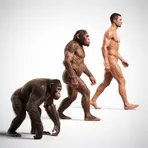
The idea that living things change over time by natural selection


 1
7.2
1
7.2
The scientific theory that plants and animals developed from earlier forms over time
 1
4.7
1
4.7
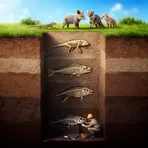
Living things change slowly over many years to form new species

The way a group of living things changes over a long time to form new species
How Accepted
- Specialized
206
5.0

- Specialized
∞
3.2
138
6.1
817
2.9
288
4.8
Surface Forms
Morphology
theory + of + organic + evolution
The phrase is fully compositional: 'theory' (set of ideas) + 'of' (possessive/relational) + 'organic' (relating to living organisms) + 'evolution' (change of species over time) yields a theory that explains biological evolution. This follows a standard noun-of-noun construction found across languages, so a B1 learner who knows the constituents can reliably infer the meaning.
Etymology
Theory of organic evolution may come from the image of a single family tree of life: organic means living things and evolution means slow change and branching into new forms. So the phrase points to the idea 'that living species change over time and are connected by common ancestors'.