

evasiveness
 3
7.4
3
7.4

- noun
- /ɪˈveɪsɪvnəs/
- Of course, Duncan's evasiveness about the "boyfriends" question isn't helping any.
Loading YouTube…
Watch on YouTubeAnd we live long enough now where they see multiple generations of evasiveness and unhappiness really.
- And we live long enough now where they see multiple generations of evasiveness and unhappiness really.
Examples
-
Part of the mild evasiveness on the issue was politics, sure.
Blog text (8) -
Getting a little tired of your evasiveness.
-
"With God, all things are possible, Nathan." "I know that," he said, frustrated by her evasiveness.
Fiction book (1990) -
Hence the doublespeak and evasiveness.
Blog text (18) -
"Sensing the mother’s evasiveness, the little girl draws watchfully close, with an important sense of participation in family affairs.
Fiction book (1997) -
History News Network suggests that Mitt Romney's evasiveness about how he plans to tackle America's problems is reminiscent of the failed strategy of Harry Truman.
Blog text (7) -
The politician's evasiveness during the interview raised suspicions among the reporters.
-
Her evasiveness when asked about her plans left everyone wondering what she was hiding.
-
His constant evasiveness made it difficult for the team to reach a consensus on the project.
Synonyms
 12
6.6
12
6.6
An indirect statement that hides an unpleasant truth
 9
7.5
9
7.5
A statement that avoids giving a clear answer
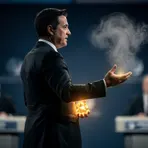 9
9.9
9
9.9
Using unclear language to hide the truth and avoid giving a clear answer
 3
9.9
3
9.9
To avoid telling the truth by being vague or misleading
 2
8.8
2
8.8
Saying or doing things in a roundabout way instead of being direct
 1
9.2
1
9.2
Using many words to avoid saying something directly
 1
5.6
1
5.6
Avoiding responsibility or difficult questions by using tricks


 1
6.1
1
6.1
Not saying something clearly to avoid offending someone or to hide the real meaning

Avoiding a clear answer by speaking in vague words

Making vague statements to avoid giving a direct answer
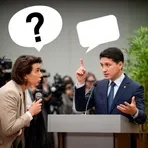
A short answer that avoids the question

Not saying things in a direct, clear way

Indirect words or actions that hide true meaning

Giving answers that avoid a clear solution and delay help
Antonyms


How Evasive

Surface Forms
Morphology
Etymology
Evasiveness comes from the Latin word evadere, made of e- 'out' and vadere 'to go', and it gives us the verb evade. Think of someone stepping out of the way instead of answering a question; that's why evasiveness means avoiding a clear, direct answer.