

euhemerization of deities
- noun
- /juːˌhɛmərɪˈzeɪʃən əv ˈdiːətiz/
- Specialized
- The euhemerization of deities can be observed in the transformation of ancient gods into legendary kings.
Examples
-
The euhemerization of deities has shaped modern interpretations of several mythological figures.
-
Many ancient cultures practiced euhemerization of deities to explain their gods.
-
Many academic texts explore the euhemerization of deities in early mythologies.
-
The euhemerization of deities reshapes our understanding of mythology.
-
Many academic texts explore the euhemerization of deities in early mythologies.
-
The euhemerization of deities is evident when we consider how ancient gods were viewed as historical leaders.
-
The euhemerization of deities has influenced how we perceive legendary figures in various cultures.
Synonyms
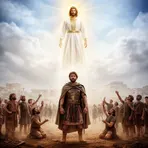
The idea that myths come from real people or events that later became gods

A way of understanding myths as stories about real people or events
How Historical


Surface Forms
Morphology
euhemerization + of + deity
The key morpheme 'euhemerization' is a rare, technical formation (from the proper name Euhemerus) whose meaning is not transparently predictable from general English morphology; knowing 'deities' only indicates the semantic domain but does not reveal the specific interpretive process. Because the headword encodes specialized historical-theoretical content rather than a compositional, everyday meaning, a B1 learner who knows the common words would not reliably derive the intended sense, making the expression opaque.
Etymology
Euhemerization of deities comes from Euhemerus, an old Greek writer who said many 'gods' were once great 'real people' whose lives became stories. So, euhemerization means treating deities as ordinary historical people rather than as magical beings.