
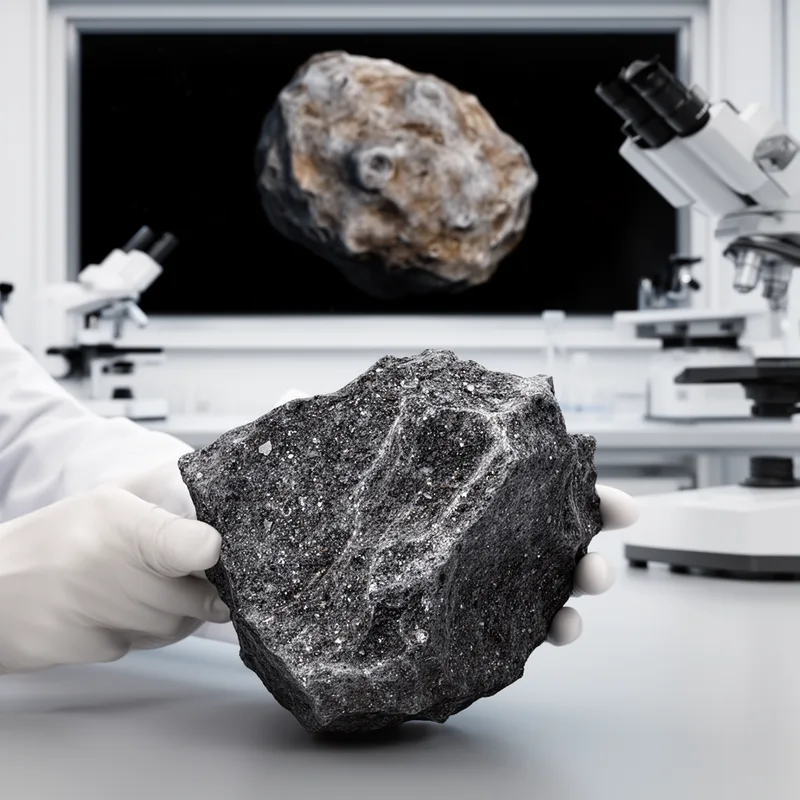
eucrite
- noun
- /ˈjuːkraɪt/
- Specialized
- Scientists believe that eucrites provide valuable insights into the composition of the asteroid Vesta.
Examples
-
The Millbillillie is the most affordable eucrite currently available from Australia.
-
Other achondrites to keep an eye out for would include eucrites, also from Vesta.
Academic text (2001) -
The least expensive eucrite in recent years is Millbillillie (from Australia).
Academic text (2001) -
Eucrites are a special type of meteorite—lavas from an asteroid formed just 4 million years after the solar system—and provide an independent check on the chondrite data.
Academic text (2005) -
Collectors prize eucrites for their unique basaltic features and storied origins from Vesta.
Synonyms
 62
6.7
62
6.7

A piece of rock or metal from space that falls to Earth
 2
9.9
2
9.9
A rock from space that has small round mineral grains you can see
 1
9.9
1
9.9
A rock or metal piece from space that falls to Earth
 1
9.5
1
9.5
A tiny piece of rock from space that reaches the ground without burning up

A stony meteorite without small round grains that formed when its asteroid or planet melted
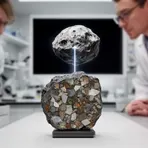
A stony meteorite made of mixed rock pieces from asteroid 4 Vesta

A stone from space that fell to Earth and is made mostly of rock minerals
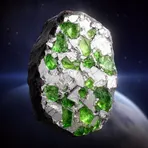
A space rock with green crystals set in shiny metal
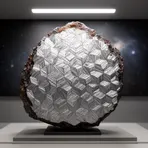
A metal rock from space with crystals that form eight-sided patterns
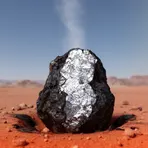
A space rock that reached Earth and is mostly iron and nickel
Surface Forms
Morphology
eucrite = eu + crite
A specialised mineral/meteorite name built from Greek combining elements; the parts are not recognizable productive English morphemes for an average B1 learner, so the meaning cannot be derived from the components.
Etymology
Eucrite starts with the Greek prefix eu- meaning 'good' or 'well'. A helpful way to remember eucrite is to think of a 'good' or solid basalt rock that fell from space, since eucrites are stony meteorites often from the asteroid Vesta.