
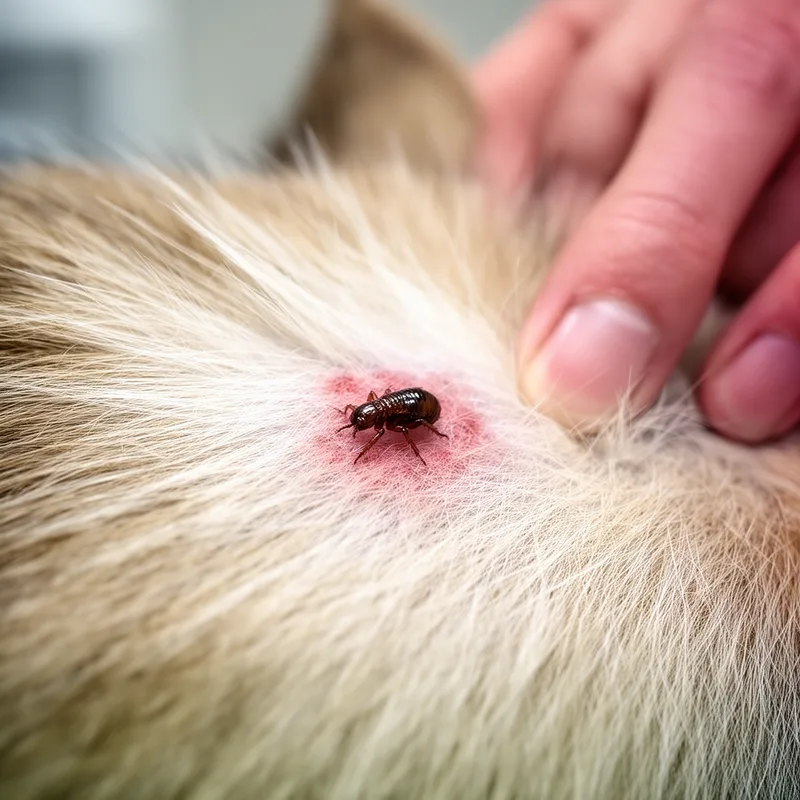
epizoon
- noun
- /ˌɛpɪˈzuːn/
- Specialized
- Fleas are a common type of epizoon found on domestic animals.
Examples
-
The veterinarian explained that the rash was caused by an epizoon living on the cat's skin.
-
Many birds preen themselves to remove epizoon that may inhabit their feathers.
-
The epizoon clung tightly to the dog's fur.
-
Fleas are common epizoa found on pets.
-
Fleas are an example of an external parasitic epizoon that lives on the skin of their hosts.
-
When grooming, the cat often removes epizoon like lice that irritate its skin.
-
An epizoon can cause health issues for animals by feeding on their blood.
Synonyms
A creature that lives on the outside of another animal and may harm it
An animal that lives outside another animal and feeds on it, like a flea

An animal that lives on another animal's body and feeds on it, like a flea or tick

A small animal like fleas and ticks that lives on another animal and feeds on its blood or skin
Surface Forms
Morphology
Etymology
Epizoon comes from Greek parts epi- and zoon, meaning 'on' and 'animal', the same root as in zoo. So an epizoon is an animal that lives 'on' another animal's body, like a flea or a louse.

