
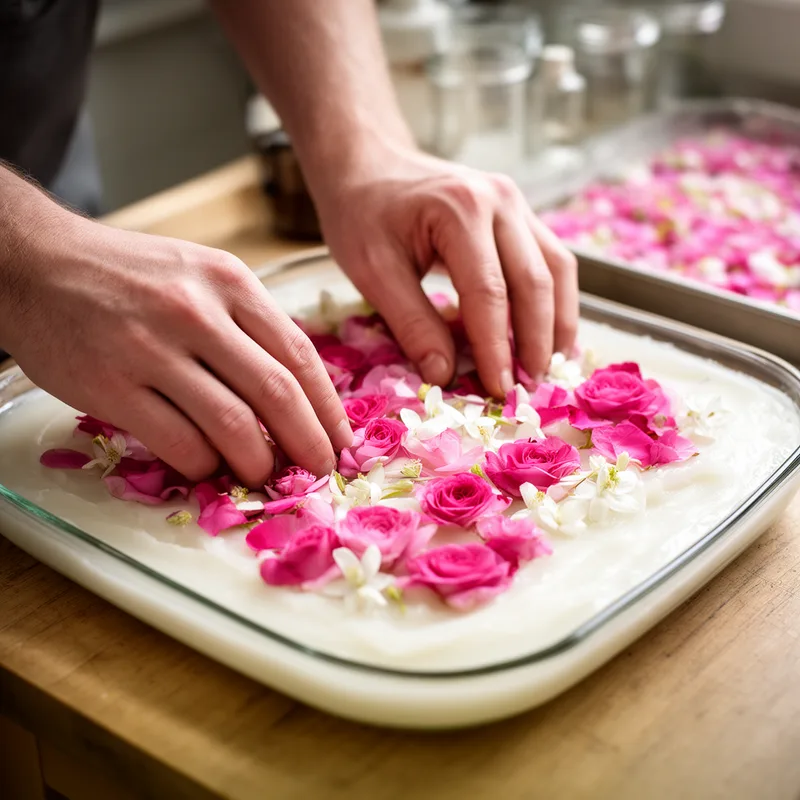
to enfleurage
- verb
- /ɑːnˈflʊərɑːʒ/
- Specialized
- Traditional perfumers enfleurage delicate petals to capture their natural scent for luxury fragrances.
Examples
-
Artisans still enfleurage flowers by hand in some regions to produce high-quality essential oils.
-
They enfleuraged the roses to create a unique perfume.
-
The laboratory team decided to enfleurage the rare blossoms to preserve their unique aroma.
-
How do you enfleurage flowers for fragrance extraction?
-
Traditional perfumers enfleurage delicate petals to capture their natural scent for luxury fragrances.
-
The laboratory team decided to enfleurage the rare blossoms to preserve their unique aroma.
-
Artisans still enfleurage flowers by hand in some regions to produce high-quality essential oils.
Synonyms
 3
3.3

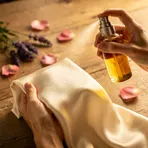
To add a smell to something, usually a pleasant one
 3
3.7
To put a pleasant smelling liquid on someone or something

 1
7.2
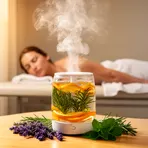
Fill the air with a pleasant smell from herbs or oils
Surface Forms
Etymology
Enfleurage as a verb comes from French parts en- ('in') and fleur ('flower'). It means to put petals into fat so the fat soaks up their scent, which is exactly what perfumers do.