
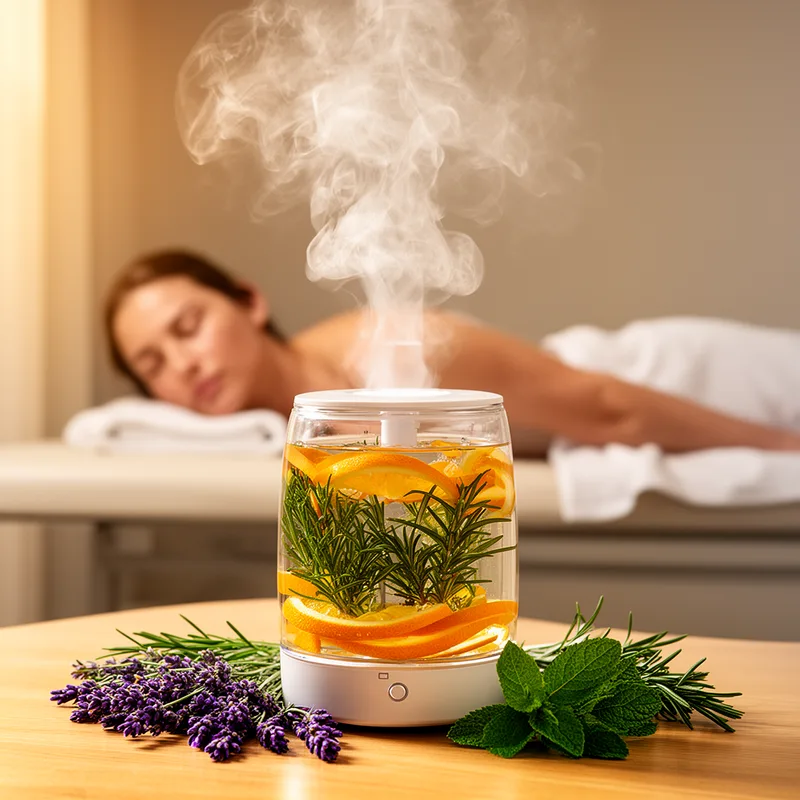
to aromatize
7.2
Fill the air with a pleasant smell from herbs or oils
- verb
- /əˈroʊməˌtaɪz/
:
aromatizar
- She used essential oils to aromatize the air in her home, creating a relaxing atmosphere.
Examples
-
To make the dish more appealing, the chef decided to aromatize the sauce with fresh herbs and spices.
-
Within the peripheral adipose tissue, androgens are aromatized to estradiol and androstenedione to estrone; therefore, obese males have increased estrogen levels.
Academic text (2015) -
Adding vanilla extract will aromatize the cake, giving it a delightful scent.
Synonyms

to scent
vsto aromatize
 37
3.3
37
3.3

To add a smell to something, usually a pleasant one
means filling with a pleasant aroma rather than any smell

to perfume
vsto aromatize
3
3.9
To make the air have a pleasant smell
has the same meaning but is focused on pleasant aroma

7.1
To give something a smell by adding a chemical
refers to filling with a pleasant aroma not specifically by chemicals
Antonyms

How Fragrant

Surface Forms
aromatize infinitive
aromatise infinitive
aromatized past
aromatized past
aromatized past participle
aromatized past participle
aromatizing present participle
aromatizing present participle
aromatizes third person singular
aromatizes third person singular
Morphology
Etymology
Aromatize comes from the simple word aroma, which means 'a pleasant smell', and from the ending -ize, which means 'to make' or 'to cause'. So, to aromatize is to 'make something smell pleasant' or to fill a place with a nice aroma.