
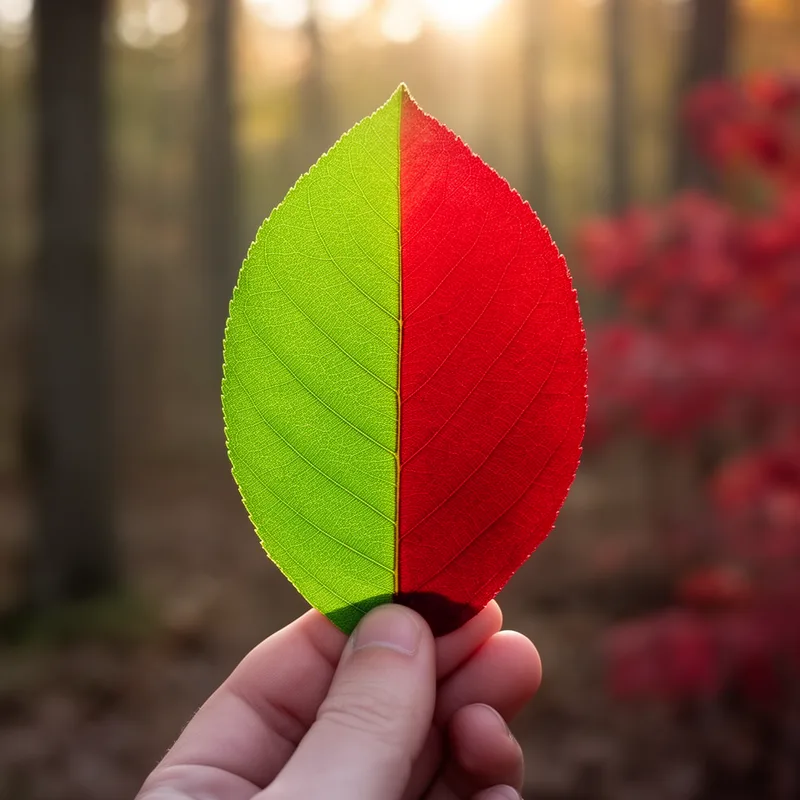
to encrimson


 1
9.9
To make something deep red, like cheeks or leaves
- verb
- /ɪnˈkrɪmzən/
- Archaic
:
enrojecer
- A flush of embarrassment encrimsoned her cheeks.
Examples
-
The sunset encrimsoned the sky beautifully.
-
Autumn leaves encrimson the landscape each October.
-
The sunset encrimsoned the clouds with a fiery glow.
-
He felt his cheeks encrimson with embarrassment.
-
The sunset encrimsoned the horizon, casting a warm glow over the water.
-
During the game, her excitement encrimsoned her face as she cheered for her team.
-
The artist used vibrant reds and oranges to encrimson the canvas, creating a striking effect.
Synonyms


Antonyms

How Red

Surface Forms
encrimson infinitive
encrimsoned past
encrimsoned past participle
encrimsoning present participle
encrimsons third person singular
Morphology
Etymology
The word encrimson combines en- ('make') with crimson, a word that comes from an old name for a deep red dye made from tiny insects. So, encrimson means to 'make' something 'deep red' or to redden deeply.