

to effervesce


 1
8.2
1
8.2
- verb
- /ˌɛfərˈvɛs/
- The soda began to effervesce as soon as I opened the bottle, filling the glass with foam.
- bubbles effervescing
Examples
-
They are vaporized moisture, ice crystals, and they get out there in the atmosphere ... and then they effervesce and evaporate and then disappear and you can see them.
-
It does effervesce.
-
That's because they effervesce!
-
The leader must effervesce with a sense of enthusiasm that sparkles with delight and pleasure, as opposed to being depressed or in pain, or even just being kind of flat.
Academic text (1996) -
He effervesces and shimmers in their glow.
Fiction book (1990) -
When you drop the tablet into the water, it will effervesce and create bubbles.
-
As the mixture heated, it started to effervesce, releasing a pleasant aroma and fizzing vigorously.
Synonyms
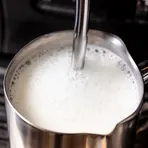 23
1.7
23
1.7
To become covered with small bubbles, like milk when heated
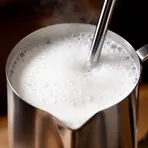 10
3.0
10
3.0
To make small bubbles form on the surface of a liquid
 6
3.0
6
3.0
To form many small bubbles, as in champagne
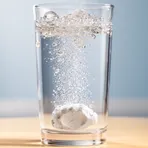 3
3.0
3
3.0
To make bubbles and a soft hissing sound in a liquid
 1
2.9
1
2.9
Make small round pockets of air inside or on a liquid

Full of small bubbles like fizzy water
How Fizzy

Surface Forms
Morphology
effervesce = ef + ferv + esce
The visible pieces are Latin combining forms (ef- + ferv- + -esce) that are not productive or semantically transparent to average learners, so the meaning cannot be derived from the components.
Etymology
Effervesce comes from Latin parts ex- 'out' and fervere 'to boil', giving the image of 'boiling out'. So to effervesce is to send out little bubbles and become fizzy, like champagne, or to show lively, bubbling energy.