
edible fat
- noun
- /ˈɛdɪbəl fæ t/
 :
grasa comestible
:
grasa comestible
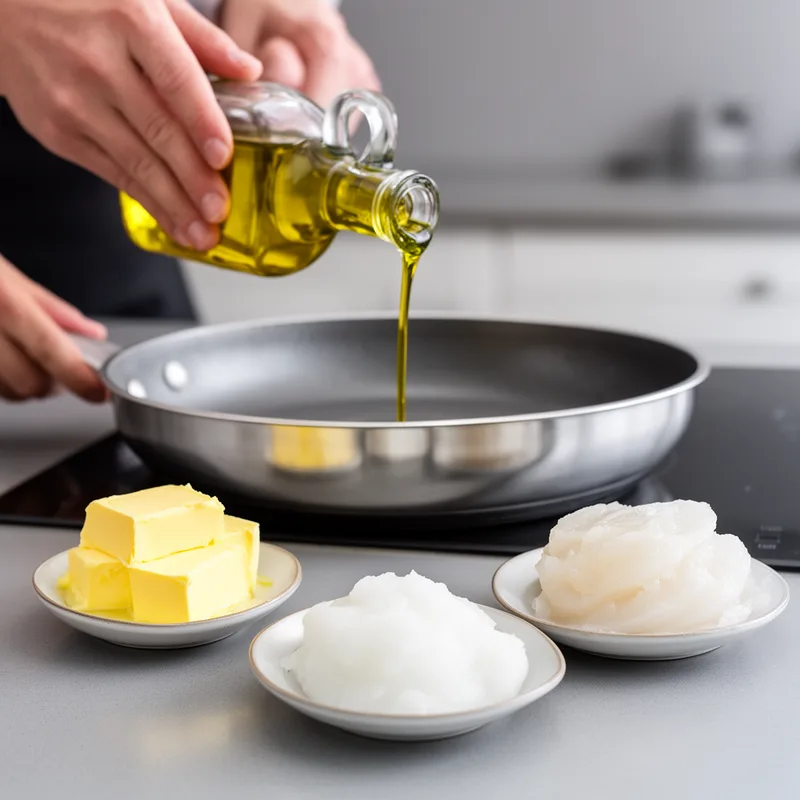
- Butter is a common edible fat used in baking.
Examples
-
The chef only uses high-quality edible fat in his pastries to ensure a rich flavor.
-
Some plant-based edible fat, like olive oil, is considered healthier than animal fat.
-
Consumers are advised to limit their intake of saturated edible fat for better heart health.
-
Many cooks prefer using edible fats like olive oil.
-
Butter is a common edible fat used in baking and cooking.
-
Olive oil is considered a healthy edible fat that enhances the flavor of salads.
-
Many people prefer using coconut oil as an edible fat in their dishes for its unique taste.
How Edible


Surface Forms
Morphology
The meaning 'fat suitable and safe to eat' is directly and transparently derived from combining 'edible' (suitable to be eaten) with 'fat' (oily substance), so a B1 learner who knows both words will readily infer the phrase. This compositional pattern is common cross-linguistically and follows normal adjective + noun semantics, making the expression immediately comprehensible despite being a specific collocation.
Etymology
Edible fat is a plain food phrase: edible means 'safe to eat' and fat is the greasy part of plants or animals, like butter or oil melted for cooking. So the term simply names fatty substances people eat or use in cooking.