
ectodermic
- adjective
- /ˌɛktoʊˈdɜrmɪk/
- Specialized
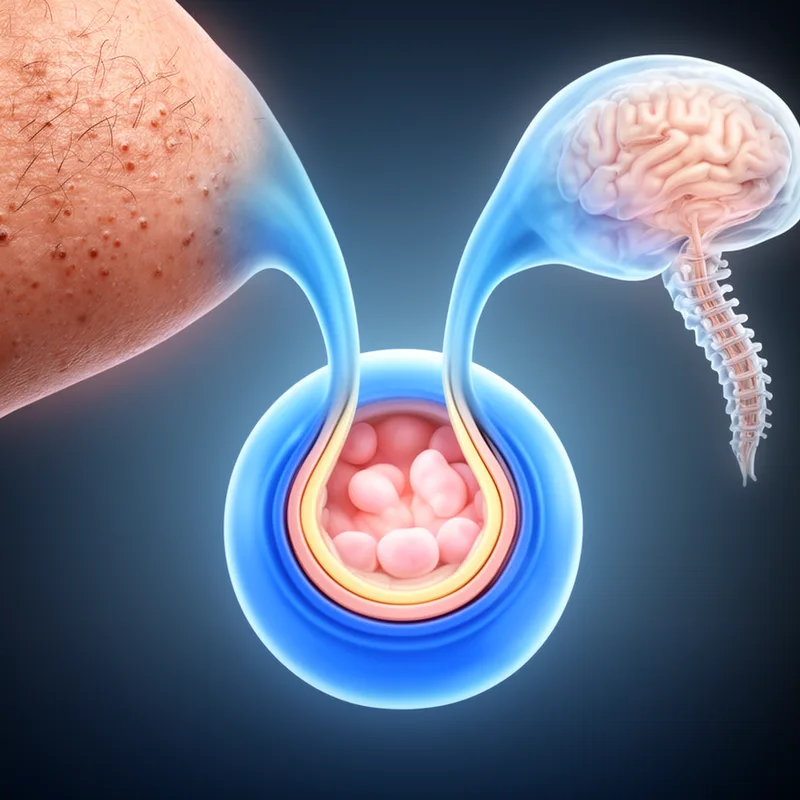
- The nervous system develops from ectodermic tissue during embryogenesis.
Examples
-
Melanocytes are derived from ectodermic cells in early development.
-
The ectodermic layer develops into the skin.
-
Certain skin disorders can be traced back to ectodermic abnormalities.
-
In many animals, ectodermic tissues form the nervous system.
-
The nervous system develops from ectodermic tissue during embryogenesis.
-
Melanocytes are derived from ectodermic cells in early development.
-
Certain skin disorders can be traced back to ectodermic abnormalities.
Synonyms


 1
9.9
Coming from the outer layer of cells in an embryo
Surface Forms
Morphology
ectodermic = ectoderm (transparent) = ecto + derm + ic
Formed by the adjective-forming suffix '-ic' added to the noun 'ectoderm', yielding 'relating to the ectoderm'; the derivation is regular though technical.
Etymology
The word ectodermic comes from the parts ecto- meaning 'outside' and -derm meaning 'skin', the same root you see in dermatology. So ectodermic describes tissue 'from the outer layer' of an embryo, the layer that helps form skin and the nervous system.