
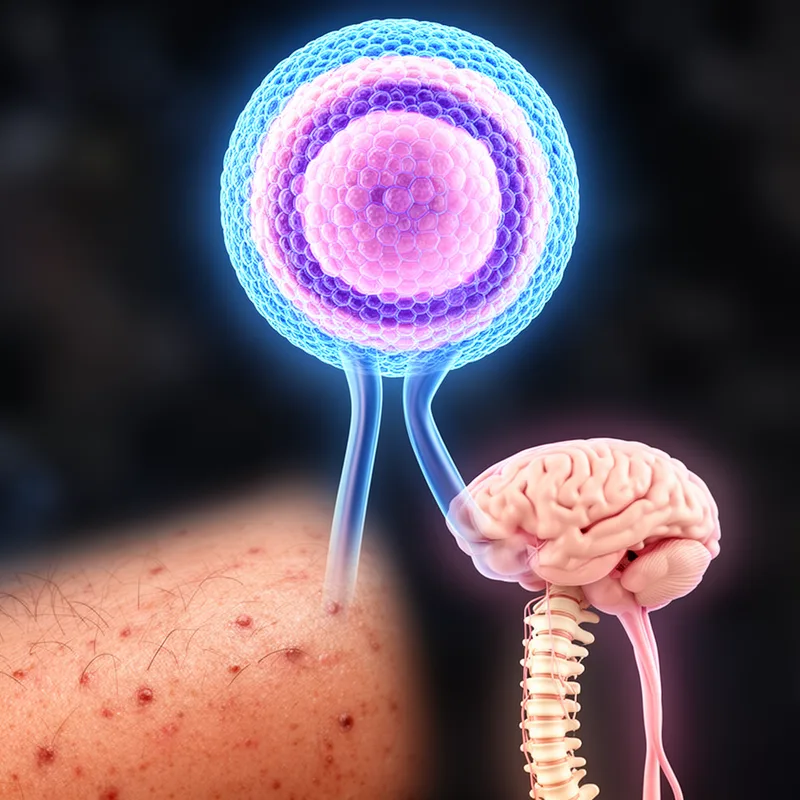
ectoderm


 1
9.9
- noun
- /ˈɛktoʊdɜrm/
- Specialized
- The embryonic ectoderm gives rise to the epidermis, the nervous system, the sensory epithelium of the eye, ear, and nose, and the enamel of the teeth.
- ectoderm development
- ectoderm and mesoderm
Examples
-
The ectoderm is the outer layer, and it differentiates to become skin, hair, nails, sensory organs, brain, and spinal cord (Figure 1).
Academic text (2012) -
Ectoderm: The outer layer of cells that form skin is called the ectoderm.
Academic text (2015) -
Ectoderm: The outer layer of cells that form skin is called the ectoderm.
Academic text (2015) -
The arches are covered externally by ectoderm and internally by endoderm.
Academic text (2006) -
The ectoderm is crucial in embryonic development as it forms the skin and the nervous system.
-
During the first stages of development, the ectoderm begins to differentiate into various structures.
-
Scientists study the ectoderm to understand how it contributes to the formation of the brain and spinal cord.
Synonyms
 1
9.9
Outer layer in an embryo that forms the skin and nervous system
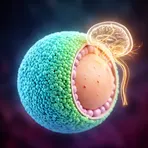
The outer layer of cells in an early embryo that later becomes the skin and nervous system
Surface Forms
Morphology
ectoderm = derm (opaque) = ecto + derm
Both elements are technical Greek combining forms used in scientific vocabulary, so B1 learners are unlikely to derive the precise biological meaning from the parts.
Etymology
Ectoderm comes from Greek parts ecto- meaning 'outside' and -derm meaning 'skin'. It is the outer layer of an embryo that later becomes the skin and parts of the nervous system, so the name points to its role as the 'outside skin'.