
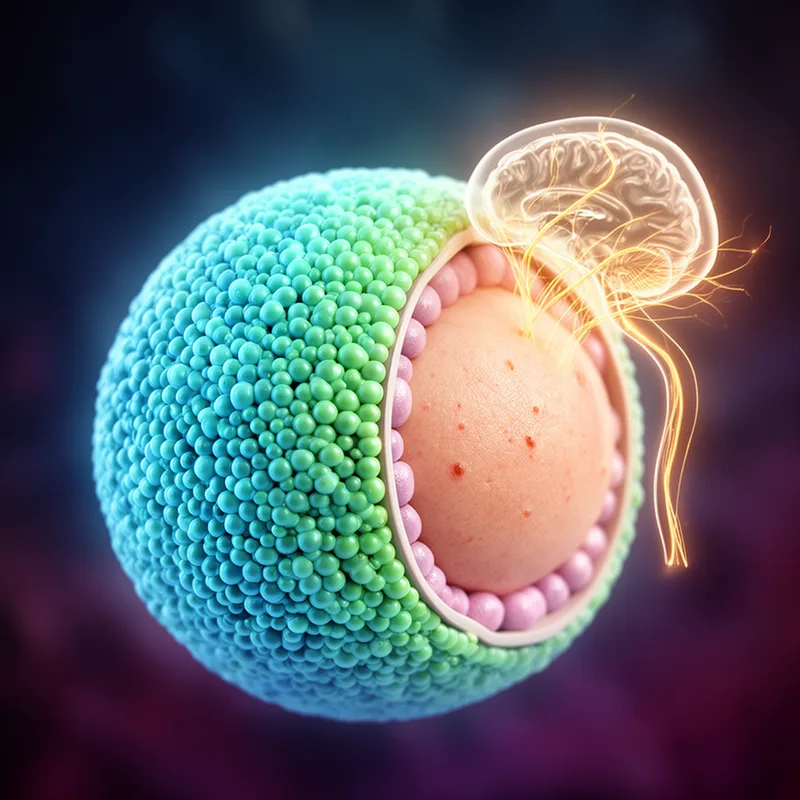
ectoblast
- noun
- /ˈɛktəˌblæst/
- Archaic
- The ectoblast eventually forms the nervous system and the epidermis in vertebrates.
Examples
-
Researchers studied how the ectoblast differentiates during early embryonic development.
-
The ectoblast forms the basis for the skin.
-
Damage to the ectoblast can result in significant developmental disorders affecting skin and nerves.
-
During development, the ectoblast differentiates into various tissues.
-
Damage to the ectoblast can result in significant developmental disorders affecting skin and nerves.
-
Researchers studied how the ectoblast differentiates during early embryonic development to form essential structures.
-
The ectoblast eventually develops into the outer layer of skin and contributes to the formation of the nervous system.
Synonyms


 1
9.9
The outer layer of cells in an embryo that becomes skin and the nervous system
 1
9.9
Outer layer in an embryo that forms the skin and nervous system
Surface Forms
Morphology
ectoblast = ecto- + blast (semi-transparent) = ecto + blast
The term directly combines 'ecto-' (outer) + 'blast' (precursor cell) in a predictable way, but both elements are specialised combining forms that many learners will not know.
Etymology
The word ectoblast comes from Greek parts ecto- meaning 'outside' and -blast meaning 'bud' or 'young cell'. So the ectoblast is the outer layer of the early embryo that later becomes the skin and the nervous system.