

to ebb away
 1
5.6
1
5.6

- phrasal verb
- /ɛb əˈweɪ/
- What little energy she possessed ebbed away.
- life ebbs away
- felt hope ebbing away
- slowly ebbing away
Loading YouTube…
Watch on YouTubeHe literally sees his fortune ebbing away into the the Mediterranean Sea.
- He literally sees his fortune ebbing away into the the Mediterranean Sea.
- As his life was ebbing away, Caesar, always being quick to think on his feet, thought of the most insulting and painful thing he could have said to Brutus.
Examples
-
His life is ebbing away.
Fiction book (1995) -
They fall back hand in hand as their lifeblood ebbs away.
Fiction book (1999) -
And already it ebbs away from you.
-
"The sea?" he said, as if the memory of water had ebbed away and left him again.
Fiction book (2000) -
A moment earlier, she felt as though all of her strength was ebbing away.
Fiction book (1996) -
We joined three others at the wheelhouse, as I felt the boat's speed ebb away.
Fiction book (1999) -
And Paul's anger ebbed away.
Fiction book (1990) -
He literally sees his fortune ebbing away into the the Mediterranean Sea.
-
He could feel the adrenaline ebbing away, and he felt as if Dugan was a raft he was kneeling on, adrift on the open sea.
Fiction book (1994) -
After staying up all night, I could feel my energy gradually ebb away as the morning light crept in.
Synonyms
 531
1.2
531
1.2
To slowly become less visible, bright, or loud
 463
1.0
463
1.0
To stop being seen or felt
 72
5.1
72
5.1
To become smaller or less in number over time
 69
3.0
69
3.0
To become weaker and then disappear over time
 48
6.8
48
6.8
To make something spread out and disappear, for example fog or tension
 46
2.7
46
2.7
To become less strong or loud over time
 38
4.1
38
4.1
Gradually become less strong until a feeling is gone
 29
4.8
29
4.8
To move back or become less strong
 19
5.6
19
5.6
To become less in strength, amount, or feeling
 19
4.3
19
4.3
To become less in amount or quality
 15
4.5
15
4.5
To slowly lose contact and closeness with someone
 15
3.2
15
3.2
Move slowly through the air or water until out of sight
 14
4.8
14
4.8
Move down to a lower place, for example into a seat or the ground
 9
5.6
9
5.6
To slowly become weaker and then stop
 8
4.2
8
4.2
To become quieter and then stop
 7
2.9
7
2.9
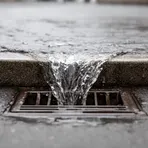
Flow away from a surface into drains or rivers
 2
3.3
2
3.3
To become less over time
 1
4.6
1
4.6
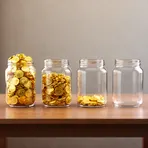
Slowly get smaller in number or amount until nothing remains
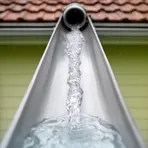 1
3.2
1
3.2
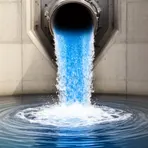
Water moves away slowly in a steady stream

Move back, like a tide, or become less strong over time
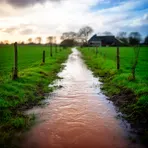
To flow back or become less strong slowly
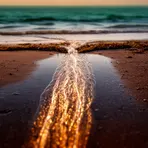
To move back and become less after rising, especially water like tides
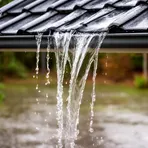
To move away from a surface in a steady stream, like water does

To disappear slowly like mist

To lose energy or interest slowly until it fades
Antonyms

How Much

Surface Forms
Morphology
The meaning 'to flow back or recede' is directly derivable from combining 'ebb' (to decrease/recede) with 'away' (indicating movement or fading out). The verb + away pattern is a common, compositional English construction, so a B1 learner who knows both constituents would readily infer the MWE meaning.
Etymology
The phrase ebb away comes from the sea: imagine the tide slowly pulling back as water ebbs away from the shore and leaves rocks and wet sand. That's why we use it for things that slowly 'fade' or 'get less', like light, strength, or the tide itself.