
dissaving
- noun
- /ˈdɪsˌseɪvɪŋ/
- Specialized
- The increasing trend of dissaving among young adults is concerning, as it indicates a lack of financial security.
Examples
-
The loan against this asset, however, is classified by economists as a "dissaving," i.e., an increase in debt, a negative for the "savings rate."
Academic text (1991) -
Of course, private saving has not offset public dissaving on a one-to-one basis.
Academic text (2005) -
And so you might have some people up here who are saving and other people down here who are dissaving and the production would be operating at the middle.
-
T, If you just workout the budget constraint, OK, it's like the amount that you're dissaving plus your income is your current consumption.
-
At the micro level, that leaves you with dissaving and a liability, and it leaves the back scratch provider with income, saving, and a financial asset.
Blog text (27) -
The relevant planning function here is not the intellectual attitude of dissavers who individually or collectively don't understand that their dissaving will force the creation of offsetting saving elsewhere in the economy.
Blog text (27) -
Here is a theory for you (and what I believe): government deficits lead to private sector savings, and government surpluses lead to private sector dissaving—meaning in order to operate, the private sector has to borrow (sound familiar).
Blog text (31) -
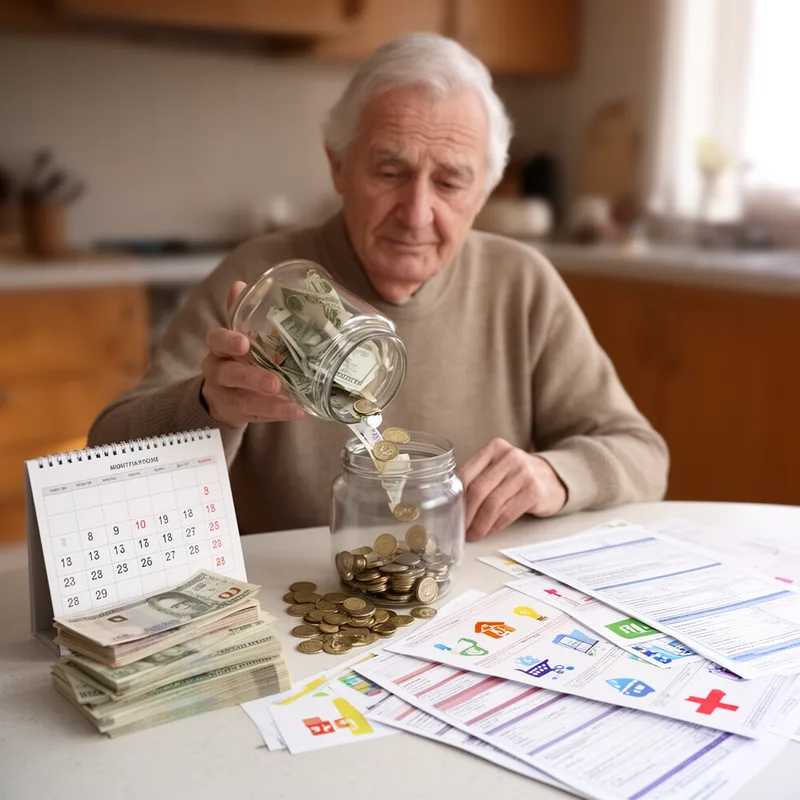
Many people are worried about their future because they are dissaving instead of saving money for retirement.
-
He was forced into dissaving after losing his job and had to use his savings to pay for everyday expenses.
Synonyms

 7
6.8
7
6.8

Spending a lot of money in a wasteful way
 3
9.8
3
9.8
A very wasteful use of money or things that shows little care about cost
 1
4.6
1
4.6
Using money or things carelessly in a way that causes extra loss
 1
7.2
1
7.2
Using valuable things like time or money in a wasteful way


 1
7.7
1
7.7
Careless use of resources like time or money
Antonyms

How Much
- Specialized
 42
3.7
42
3.7
Surface Forms
Morphology
Etymology
Dissaving comes from the prefix dis- meaning 'not' or 'opposite' and saving meaning 'putting money aside', so it literally means 'not saving' or using up your savings. So, as a noun, dissaving is the act of spending more than you save and using your saved money.