

diesel-hydraulic locomotive
- noun
- /ˈdiːzəl haɪˈdrɔːlɪk ˌloʊkəˈmoʊtɪv/
- Specialized
- The new diesel-hydraulic locomotive is more efficient than older models.
Examples
-
The diesel-hydraulic locomotive was introduced to improve rail efficiency on non-electrified routes.
-
A German manufacturer exported several diesel-hydraulic locomotives in the 1960s.
-
Engineers prefer a diesel-hydraulic locomotive for routes requiring frequent starts and stops.
-
Have you seen the latest diesel-hydraulic locomotives in action?
-
The train station displayed a rare diesel-hydraulic locomotive that fascinated visitors with its unique design.
-
The diesel-hydraulic locomotive efficiently pulled multiple cars up the steep incline without losing speed.
-
During the tour, the engineer explained how a diesel-hydraulic locomotive uses a diesel engine to power its hydraulic systems.
Synonyms
 1
4.1
1
4.1

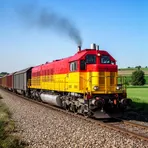
A railway engine that runs on diesel fuel rather than steam or electricity
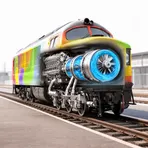
A train engine that uses a diesel engine and a hydraulic system to send power to the wheels

A machine on train tracks that pulls or pushes trains
Surface Forms
Morphology
diesel-hydraulic + locomotive
The phrase is a straightforward compositional noun phrase: 'diesel-hydraulic' specifies the type of power/transmission (diesel engine + hydraulic transmission) and modifies 'locomotive', so the overall meaning is directly derivable from its parts. This vehicle-type naming pattern is cross-linguistically common, so a B1 learner who knows the constituent words would be able to infer the meaning.
Etymology
Diesel-hydraulic locomotive names a train engine that uses a diesel motor and a hydraulic system where moving fluid turns the wheels. So the name literally means it is 'powered by diesel' and 'uses fluid power' to make the train move, not electricity.