
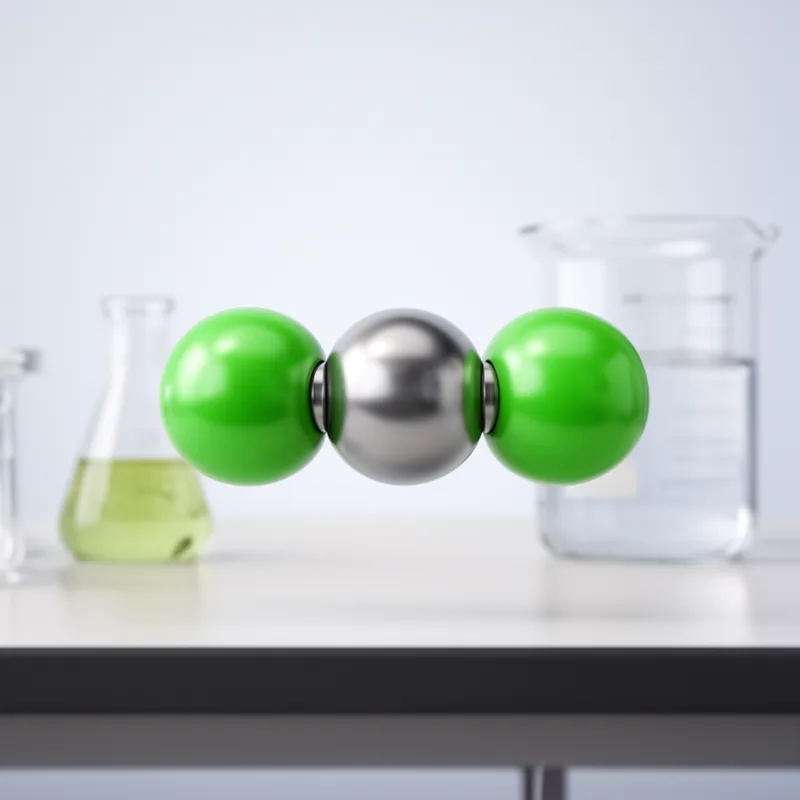
dichloride
- noun
- /daɪˈklɔːraɪd/
- Specialized
- Workers handling dichloride compounds must wear protective gear to avoid hazardous exposure.
- ethylene dichloride
Examples
-
One of these that I'm tapping is a beige colored solid and it is iron dichloride, ferrous chloride.
-
Ethylene dichloride is commonly used as a solvent in the manufacturing of other chemicals.
-
A difference of more than three standard deviations on the SIB-R between the exposed and the control group leaves little doubt about the impact of ethylene dichloride exposure.
Academic text (2006) -
The results of this study suggest that adaptive capabilities and overall ability to function successfully in the environment are adversely affected secondary to ethylene dichloride exposure.
Academic text (2006) -
For 10 other HAPs, the list accounts for at least 80% of the emissions, and for ethylene dichloride, the list accounts for approximately 78% of the emissions.
Academic text (2001) -
Although the neurological effects of ethylene dichloride (EDC) have been explored, the literature offers little information concerning the long-term effects on adaptive functioning.
Academic text (2006) -
Although the neurological effects of ethylene dichloride (EDC) have been fairly well explored, the literature offers little information concerning the long-term effects on adaptive functioning.
Academic text (2006) -
Between 1994 and 1996, workers cleaning up a spill in Louisiana were exposed to ethylene dichloride through dermal contact and respiration of the chemical (Piel, 2000; EPA, Region 6, 2003).
Academic text (2006) -
The laboratory tested various substances, including iron dichloride, to determine their chemical properties.
Synonyms

 137
3.5
137
3.5

A substance made from two or more parts joined together
 8
2.8
8
2.8
A substance made of two or more elements joined in fixed amounts, like water
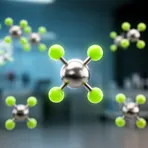
A chemical that has two chlorine atoms in each molecule
Compounds

Surface Forms
Morphology
Etymology
Dichloride starts with di- meaning 'two', has chlor like in chlorine, a word that comes from a root meaning 'green', and ends with -ide, a common ending for chemical compounds. So a dichloride is a compound that has 'two' chlorine atoms.