
diapause


 1
9.6
- noun
- /ˈdaɪəˌpɔs/
- Specialized
- Most grasshopper eggs spend the winter in the soil after a temperature-driven dormancy called diapause, says Fisher.
- go into diapause
- enter diapause
- termination of diapause
Examples
-
In the flesh fly, Sarcophaga bullata, prolonging larval diapause in the laboratory reduced fertilization success (Denlinger 1981).
Academic text (1998) -
Photoperiodic organisms go into diapause at a precise day length, but this day length often varies systematically with latitude.
Academic text (1992) -
So the weevils are without a host during a cool spell and go into diapause.
Academic text (1995) -
As a result, many weevils die before they can either mature and mate or enter diapause.
Academic text (1994) -
"In South Texas, some weevils may enter diapause as early as August 1, but some never do," says Summy.
Academic text (1994) -
I decided to pinpoint the latitude of the mosquito's origin by establishing the relationship between diapause and day length for populations from Japan.
Academic text (1992) -
Toward late summer and fall, boll weevils in many areas enter a winter-long dormancy called diapause, says Weslaco entomologist K. Rod Summy.
Academic text (1994) -
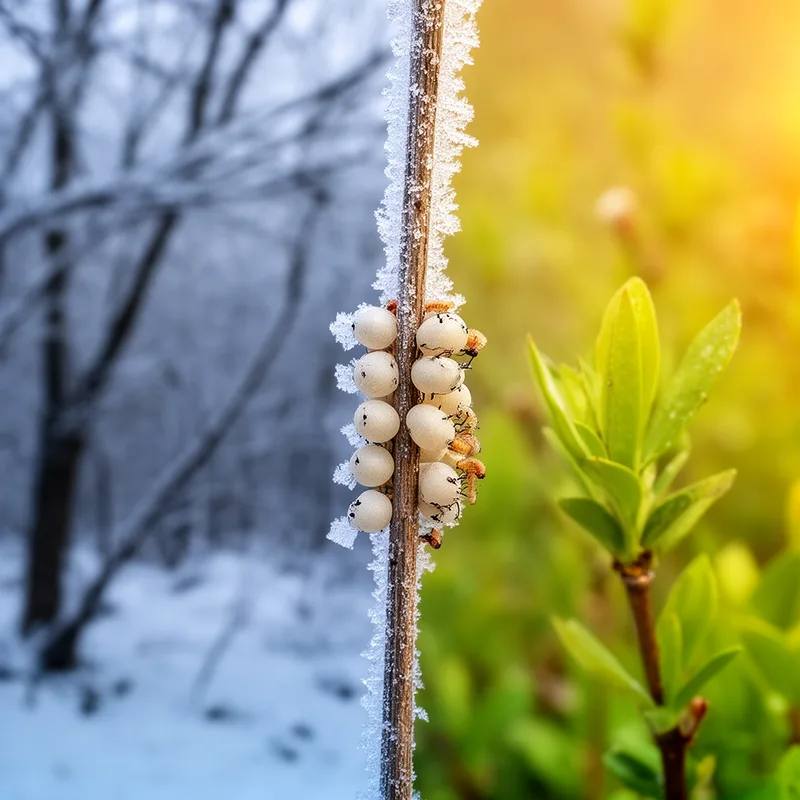
During the cold months, many insects enter diapause to survive harsh conditions.
-
Weevils go into diapause to conserve energy when the temperatures drop significantly.
-
Grasshopper eggs are known to enter diapause during winter to endure the cold soil conditions.
Surface Forms
Morphology
Etymology
Diapause joins dia-, meaning 'across' or 'through', and the familiar word pause, meaning 'stop'. So a diapause is a time when an animal 'stops' developing or growing to survive bad conditions.