
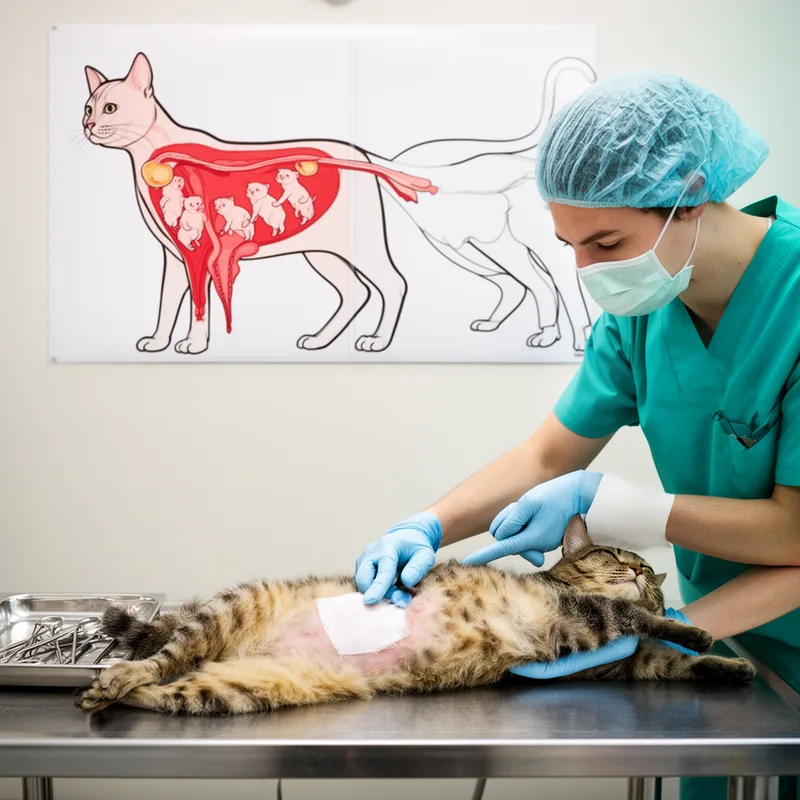
to desex
 1
8.3
1
8.3

- verb
- /dɪˈsɛks/
- Australian
- At this point in time, I have no behavioral or medical reasons (roaming, aggression, marking, etc.) to have desexed any of the dogs I have owned in the past or own now.
Loading YouTube…
Watch on YouTubeBut you see, The thing is, Sam desexes the character.
- But you see, The thing is, Sam desexes the character.
Examples
-
I agree 100% that if you can't prevent your dog from unplanned and irresponsible breeding, then you should have your dog desexed.
Blog text (16) -
I think I have the right to make an informed decision as to whether I desex my dogs or not, and I will do so if I think that it is in the best interests of my dog and not to make someone else happy.
Blog text (16) -
Dogs are not all identical, and neither are family situations, so, in my opinion, all dogs do not need to be mandatorily desexed.
Blog text (16) -
I have done a lot of research on this matter, and while there are definitely reasons to have a dog desexed, there are also reasons against having a dog desexed.
Blog text (16) -
KEN: So you insist on desexing her... ...as though sex were synonymous with dirt.
-
I have done a lot of research on this matter, and while there are definitely reasons to have a dog desexed, there are also reasons against having a dog desexed.
Blog text (16) -
Many pet owners choose to desex their animals to prevent unwanted litters.
-
It is recommended to desex your cat before they reach sexual maturity to avoid complications.
-
After discussing the options with the veterinarian, we decided to desex our dog to ensure a healthier life.
Synonyms
 46
7.5
46
7.5
To make an animal unable to have babies
 37
5.3
37
5.3
To remove an animal's organs used to make babies so it cannot reproduce
 26
8.1
26
8.1
To remove a female animal's ovaries so it cannot have young
 21
9.1
21
9.1
To remove the sex organs of a person or animal so they cannot have young
 15
5.8
15
5.8
To make a person or animal unable to have children by a medical operation
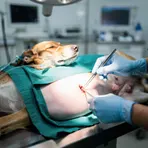 11
7.1
11
7.1
To remove a female animal's ovaries so it cannot have babies
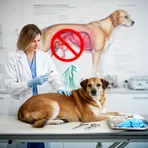
To make a person or animal unable to have babies

To remove a male animal's testicles
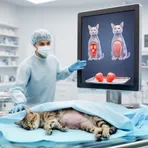
To remove a female animal's ovaries so she cannot have babies
How Sterile

Surface Forms
Morphology
Etymology
The word desex comes from the prefix de- meaning 'remove' and sex meaning 'male or female'. So to desex an animal is to remove or change its sex organs so it cannot have babies.