

dehydrogenation
- noun
- /ˌdiːhaɪˈdrɒdʒəˌneɪʃən/
- Specialized
- During the reaction, dehydrogenation occurs, leading to the production of energy as hydrogen is removed from glucose.
Examples
-
The enzyme dehydrogenation helps convert alcohol into acetaldehyde, which is an important step in metabolism.
-
Moreover, complete dehydrogenation of dissociating CH4 could result from a reaction with the surface O species originating from the dissociation of CO2 or secondary H2O product 27, 28.
Academic text (2018) -
In the above mechanism, reducing-agent dehydrogenation on the surface is the kinetic limiting step.
Academic text (1998) -
In biochemistry, the process of dehydrogenation removes hydrogen atoms from molecules, playing a crucial role in cellular respiration.
Synonyms
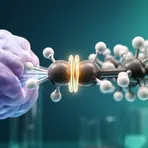
Taking hydrogen atoms away from a molecule to make a double bond
Antonyms

- Specialized
 1
6.8
1
6.8

A chemical process that adds hydrogen to oils or fats to make them solid
How Hydrogenated
- Specialized
1
6.8

- Specialized
Surface Forms
Morphology
dehydrogenation = hydrogenation (semi-transparent) = de + hydrogen + ation
For someone who knows 'hydrogenation', adding 'de-' clearly signals the reverse chemical process, namely removal of hydrogen.
Etymology
Dehydrogenation has two clear parts: de- meaning 'remove' and hydrogen, the small atom that helps make water ('hydro' = 'water'). So dehydrogenation simply means the process of taking hydrogen away from a molecule.