
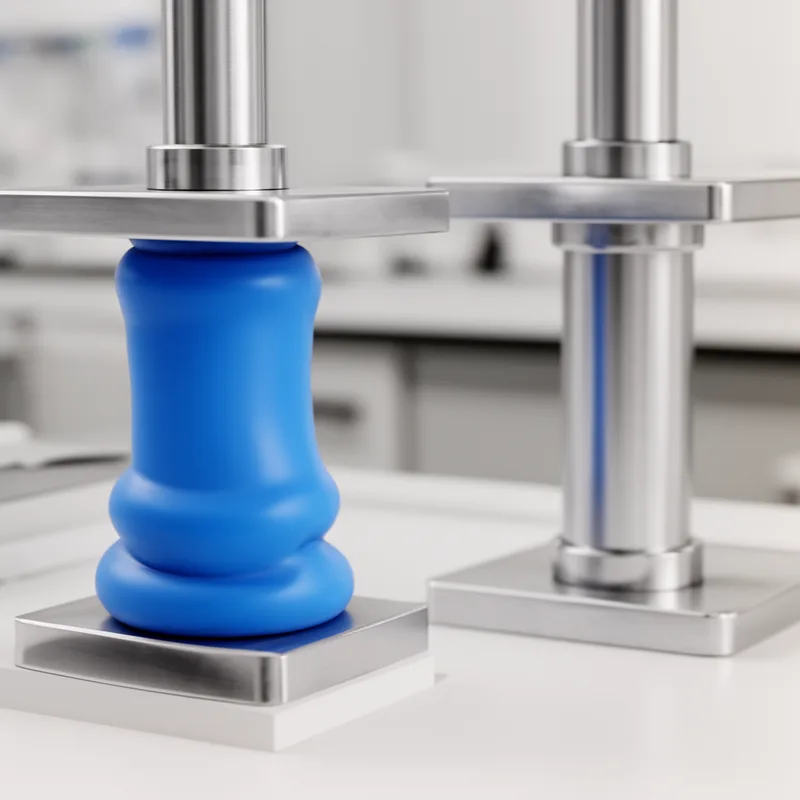
deformability


 1
7.3
- noun
- /dɪˌfɔrməˈbɪlɪti/
- Specialized
- High deformability in certain plastics makes them ideal for applications requiring flexibility.
Examples
-
Ideally, a high-performance spring material will have both high material stiffness and high deformability.
Academic text (2010) -
For materials like rubber, their high deformability is offset by their lower material stiffness.
Academic text (2010) -
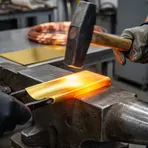
The deformability of metals allows them to be shaped into complex forms without breaking.
-
Engineers consider the deformability of materials when designing structures that can withstand pressure.
Synonyms
 27
3.0
Ability to bend or change shape without breaking
 2
7.4
The ability of a metal to be shaped by hammering or pressure without cracking
 1
6.1
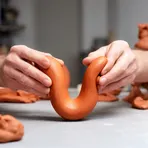
Easy to shape or bend without breaking
 1
6.0
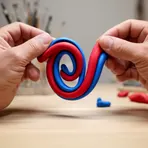
Easy to bend or shape without breaking
 1
5.8
Ability of a material to be shaped into a curve without breaking
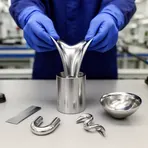
A material quality that lets you shape it without breaking, like metal or plastic

The ability to bend or change shape without breaking

The ease with which a person can be influenced or changed
Antonyms

How Deformable
- Specialized
2
7.4

- Specialized
1
7.3
27
3.0
- Specialized
5
6.0
Surface Forms
Morphology
deformability = deformable (semi-transparent) = de + form + able + ity
For learners who know 'deformable', adding '-ity' transparently forms an abstract noun meaning the quality or capacity of being deformable.
Etymology
Deformability is made of three parts: de- meaning 'change', form meaning 'shape', and -ability meaning 'can'. So it literally says 'can change shape', which is why deformability describes how easily a material changes shape without breaking.