
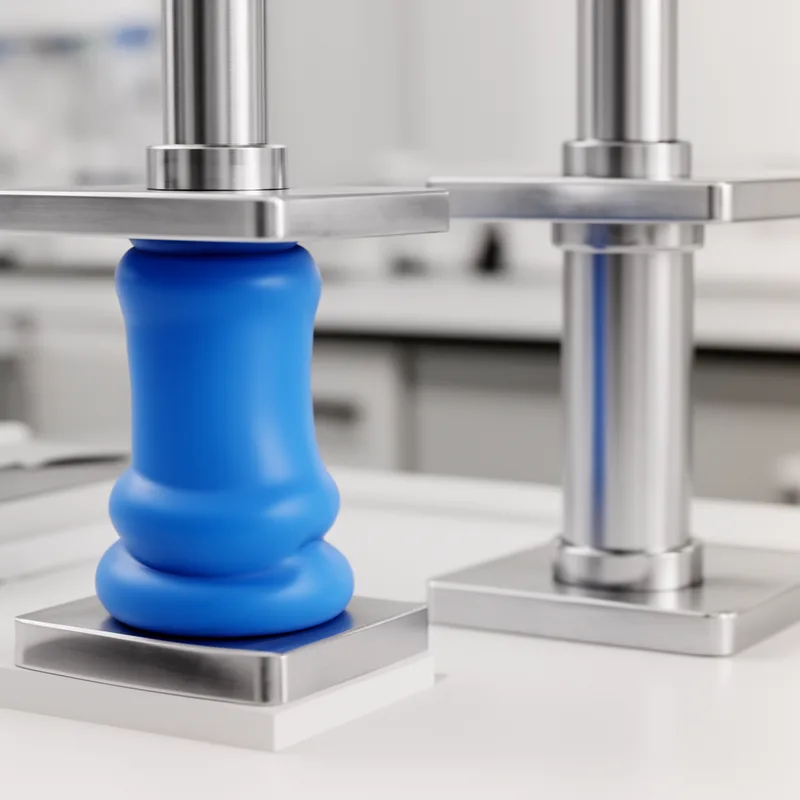
deformability
- noun
- /dɪˌfɔrməˈbɪlɪti/
- Specialized
- High deformability in certain plastics makes them ideal for applications requiring flexibility.
Examples
-
Ideally, a high-performance spring material will have both high material stiffness and high deformability.
Academic text (2010) -
For materials like rubber, their high deformability is offset by their lower material stiffness.
Academic text (2010) -
The deformability of metals allows them to be shaped into complex forms without breaking.
-
Engineers consider the deformability of materials when designing structures that can withstand pressure.
Synonyms

 37
3.0
37
3.0

Ability to bend or change shape without breaking
 2
7.4
2
7.4
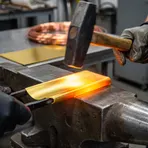
The ability of a metal to be shaped by hammering or pressure without cracking
 1
6.1
1
6.1
Easy to shape or bend without breaking
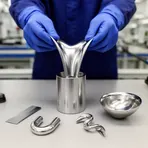
A material quality that lets you shape it without breaking, like metal or plastic
Easy to bend or shape without breaking

The ability to bend or change shape without breaking

Ability of a material to be shaped into a curve without breaking

The ease with which a person can be influenced or changed
Antonyms

How Deformable
- Specialized
2
7.4

- Specialized
37
3.0
- Specialized
3
6.0
Surface Forms
Morphology
deformability = deformable (semi-transparent) = de + form + able + ity
For learners who know 'deformable', adding '-ity' transparently forms an abstract noun meaning the quality or capacity of being deformable.
Etymology
Deformability is made of three parts: de- meaning 'change', form meaning 'shape', and -ability meaning 'can'. So it literally says 'can change shape', which is why deformability describes how easily a material changes shape without breaking.