

cystic fibrosis transmembrane conductance regulator
- noun
- /ˈsɪstɪk faɪˈbroʊsɪs ˌtrænsmɛmˈbrɛn kənˈdʌktəns rɪˈɡʌleɪtər/
- Specialized
- Mutations in the cystic fibrosis transmembrane conductance regulator are the main cause of cystic fibrosis.
- cystic fibrosis transmembrane conductance regulator (CFTR)
Examples
-
The cystic fibrosis transmembrane conductance regulator plays a vital role in the regulation of chloride and sodium ions in cells.
-
Researchers are studying how the cystic fibrosis transmembrane conductance regulator affects ion transport in lung tissue.
-
Genetic testing for the cystic fibrosis transmembrane conductance regulator can help diagnose carriers of the disease.
-
The cystic fibrosis transmembrane conductance regulator is crucial for ion transport.
-
Did you know about the cystic fibrosis transmembrane conductance regulator?
-
Mutations in the cystic fibrosis transmembrane conductance regulator lead to the symptoms of cystic fibrosis.
-
Doctors often conduct tests on the cystic fibrosis transmembrane conductance regulator gene to determine if a patient is a carrier.
Synonyms
 1
7.7
1
7.7

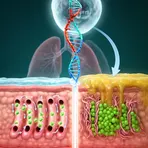
A gene that makes a protein controlling chloride movement in cells and when changed causes cystic fibrosis
Surface Forms
Morphology
cystic + fibrosis + transmembrane + conductance + regulator
The phrase is largely compositional: a learner who knows the parts can infer that it is a regulator of transmembrane conductance and that it is associated with cystic fibrosis (i.e. related to that disease). However, it is a technical, domain-specific name referring to a specific gene/protein and the precise biomedical role and implications are not fully predictable for a B1 learner, so understanding would be partial rather than complete.
Etymology
Cystic fibrosis transmembrane conductance regulator gives a clear picture: the protein sits across a cell membrane, and the parts of the name tell its job, for example transmembrane means across the membrane, conductance means the flow of salt and water, and regulator means something that controls that flow. When this protein does not work, salt and water do not move properly and that causes the disease 'cystic fibrosis', so the name explains why changes in it lead to the illness.