

coyote brush
- noun
- /kaɪˈoʊti brʌʃ/
- US
- The coyote brush thrives in arid climates.
Examples
-
Many birds nest in the coyote brush.
-
Many gardeners plant coyote brush for erosion control and native landscaping.
-
The hillsides were covered in coyote brush after the recent rains.
-
Wildlife often take shelter under the dense foliage of coyote brush.
-
The coyote brush grows abundantly in the deserts of the southwestern United States.
-
During spring, the coyote brush is covered in small yellow flowers that attract pollinators.
-
Many gardeners use coyote brush to provide natural erosion control on steep hillsides.
Synonyms

A spreading evergreen shrub with small flower clusters that grows on California coastal hills

A low evergreen shrub that spreads widely with many small flower clusters
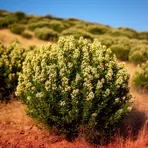
An evergreen bush with small clustered flowers that spreads in the southwestern United States
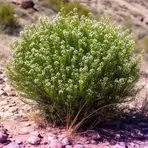
A spreading evergreen shrub with small clusters of white flowers that grows in dry places
Surface Forms
Morphology
The noun phrase is a straightforward noun–noun compound: 'coyote' (an animal) + 'brush' (thicket/shrub), so a B1 learner who knows both words can infer it is a type of shrub or thicket associated with coyotes. This follows regular, cross-linguistically common naming patterns for plants/vegetation, so the basic meaning is transparently derivable from the constituents.
Etymology
Coyote brush may come from watching coyote use thick brush as cover, a clear picture of the animal in low shrubs. That's why the name now means this spreading evergreen 'shrub' that helps hold soil and gives shelter to wildlife.

