

to couple on
 1
6.5
1
6.5

- phrasal verb
- /ˈkʌpəl ɒn/
- Specialized
- The engineer decided to couple the two machines to improve their efficiency during production.
Examples
-
The designers will couple the new features with the existing system to enhance user experience.
-
He shot down a level track for four years, stopping only briefly to couple on a shiny Pullman named Sheila.
Fiction book (2001) -
In order to test the software, we need to couple it with the new hardware.
Synonyms
 459
2.5
459
2.5
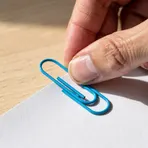
To join or fasten one thing to another so they stay together
 442
1.1
442
1.1
To join two things together physically
 278
1.1
278
1.1
Join two things so they form one piece
 182
4.2
182
4.2
To join two things or people so they form a pair
 115
2.2
115
2.2
To join two people or things so they work together
 114
3.1
114
3.1
To join things, ideas, or people together
 26
5.9
26
5.9
To come together or bring things together
 9
3.0
9
3.0
To join people, places, or things so they become connected
 5
4.7
5
4.7
Join things so they can work together
 4
4.5
4
4.5
Connect things so they depend on each other
 1
5.3
1
5.3
To fasten two parts together so they form one piece

 1
8.2
1
8.2
To join two or more things into one

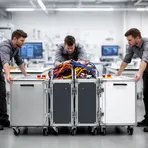
To join two machines or vehicles so they are connected
Antonyms
 161
3.5
161
3.5
To separate something so it is no longer joined, for example remove a cable or turn off power

How Strong
- Specialized
29
4.6
 68
1.6
68
1.6
- Specialized
1
6.5
∞
1.0
278
1.1
Surface Forms
Morphology
The meaning 'to join or link together…' is directly derivable from 'couple' (to join) combined with the particle 'on' (onto/attached), so a learner who knows both words would infer an attachment or connection. The particle merely specifies direction/attachment (attach on/onto), a straightforward compositional pattern found across languages, making it clearly understandable at B1.
Etymology
Couple on comes from train and machine work: to couple something on meant fastening one car or part onto another with a metal link or hook. That's why couple on now means 'to join' or 'attach' something to something else.