

cotton rush
- noun
- /ˈkɑtən rʌʃ/
- Specialized
- Each spring, the cotton rush produces fluffy heads that carpet the bog in white.
Examples
-
In the wetland reserve, the cotton rush swayed in the breeze, its white tufts gleaming in the sunlight.
-
Botanists studied the cotton rush to understand how it adapts to marshy soil conditions.
-
The cotton rush grows abundantly in wetlands.
-
Many birds nest in the cotton rush during spring.
-
Each spring, the cotton rush produces fluffy heads that carpet the bog in white.
-
In the wetland reserve, the cotton rush swayed in the breeze, its white tufts gleaming in the sunlight.
-
The cotton rush grows abundantly in wetlands.
Synonyms
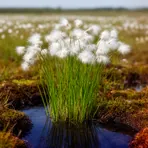
A plant that grows in bogs with soft white tufts on its stems

A grass-like plant with soft white tufts that grows in wet bogs
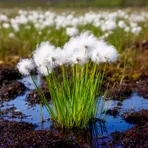
A plant with white cottony tufts that grows in wet, boggy ground

A plant that grows in bogs with white fluffy seed heads
Surface Forms
Morphology
The compound is transparently compositional: 'cotton' describes the fluffy, cotton-like tufts and 'rush' names a grasslike marsh plant, so a learner who knows both words can infer a rush with cottony flower spikes. This noun+noun descriptive pattern is common and predictable (despite being a botanical term), making the meaning accessible to B1 learners.
Etymology
Cotton rush gets its name from its white, fluffy flower heads that look like bits of cotton. The word rush means a grass-like plant that grows in 'wet places', so the name helps you picture a plant with cotton-like tufts in wet ground.

