

corythosaurus
- noun
- /ˌkɔːrɪˈθoʊsɔːrəs/
- The distinctive crest of the corythosaurus may have helped it communicate with others of its kind.
Examples
-
Scientists discovered a nearly complete corythosaurus skull in Alberta, Canada.
-
A corythosaurus could grow up to nine meters long and weighed several tons.
-
The corythosaurus roamed the Earth millions of years ago.
-
Did you know that a corythosaurus could reach lengths of up to 30 feet?
-
The corythosaurus had a unique crest that made it easily identifiable among dinosaur species.
-
Paleontologists believe the corythosaurus used its crest for mating displays and vocalization.
-
A fossilized corythosaurus skeleton was unearthed near the riverbank, revealing details about its size and shape.
Synonyms

 1
9.9
1
9.9

A large plant-eating dinosaur with a duck-like bill and often a bony crest


 1
7.4
1
7.4
A large plant-eating dinosaur with a long, flat beak like a duck
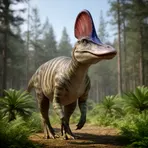
A large duck-billed dinosaur with a tall crest on its head
Surface Forms
Morphology
corythosaurus = corythos + saurus
The combining element '-saurus' (lizard/dinosaur) is recognizable to many learners, but 'corythos' is not a standalone English word, so the full meaning is only partly inferable.
Etymology
The word corythosaurus comes from Greek parts korythē ('helmet') and sauros ('lizard'), and the sauros part is the same root you see in dinosaur, so the name means 'helmet lizard'. Its tall, hollow crest looked like a helmet on top of its head, which explains the name.