
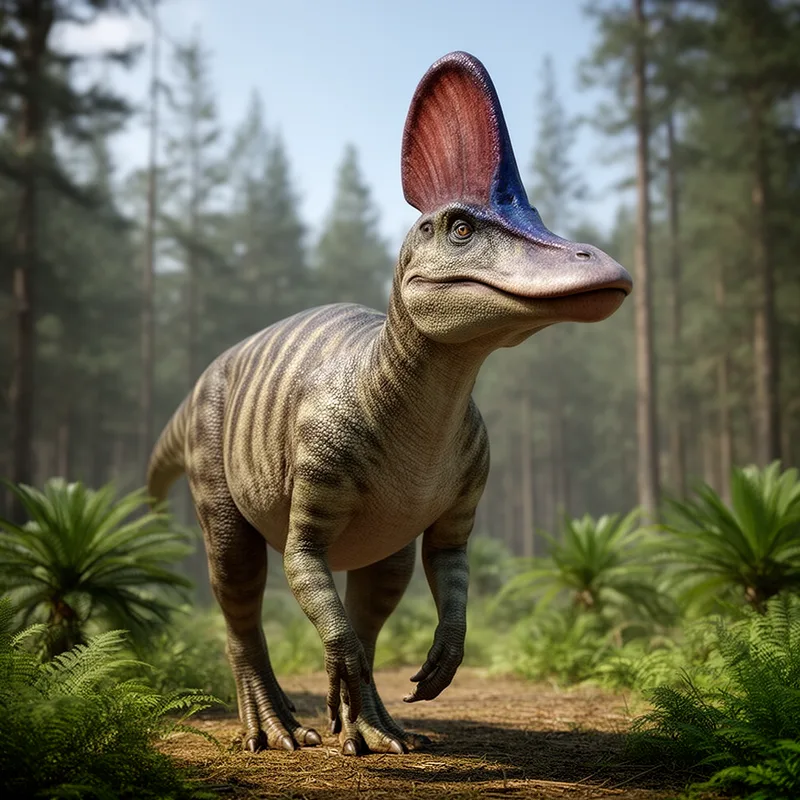
corythosaur
- noun
- /ˌkɔːrɪˈθoʊsɔːr/
- Paleontologists discovered a corythosaur skeleton in the valley, revealing details about its diet and habitat.
Examples
-
Fossilized remains of a corythosaur were discovered in Canada, providing new insight into its habitat.
-
Scientists believe the crest of the corythosaur may have been used to produce distinctive sounds.
-
The museum's new exhibit featured a life-sized model of a corythosaur in a prehistoric forest.
-
The corythosaur roamed the earth during the late Cretaceous period.
-
I saw a corythosaur skeleton at the museum.
-
The corythosaur had a large, impressive crest that distinguished it from other dinosaurs.
-
Fossils of the corythosaur suggest it lived in herds and was a herbivore.
Synonyms

 1
9.9
1
9.9

A large plant-eating dinosaur with a duck-like bill and often a bony crest


 1
7.4
1
7.4
A large plant-eating dinosaur with a long, flat beak like a duck
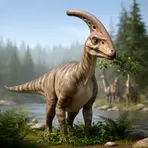
A large plant-eating dinosaur with a tall hollow crest on its head
Surface Forms
Etymology
Corythosaur comes from Greek parts corytho- meaning 'helmet' or 'crest' and -saur meaning 'lizard', the same -saur you see in dinosaur. So a corythosaur is like a 'helmet-lizard', which fits the duck-billed dinosaur with a large, helmet-like crest on its head.