

copaiba balsam
- noun
- Specialized
- The ointment contains copaiba balsam to help soothe skin irritation.
Examples
-
Art restorers sometimes use copaiba balsam as a component in varnishes for paintings.
-
Many perfumes contain copaiba balsam for its unique scent.
-
Some herbal remedies include copaiba balsam for its anti-inflammatory properties.
-
The artisan used copaiba balsam in his wood finishes.
-
Art restorers sometimes use copaiba balsam as a component in varnishes for paintings.
-
Many perfumes contain copaiba balsam for its unique scent.
-
The ointment contains copaiba balsam to help soothe skin irritation.
Synonyms
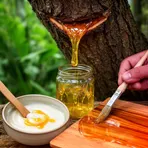
A sticky natural substance from South American trees used in ointments and varnishes
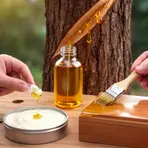
A thick sticky oil from the Copaifera tree used in ointments and varnishes
Surface Forms
Morphology
The phrase is a simple noun–noun composition: 'copaiba' names a specific resin and 'balsam' denotes an aromatic oleoresin, so a learner who knows both constituents can infer it is the balsam/oleoresin from copaiba. This type-of naming pattern is compositional and cross-linguistically common, making the expression transparent despite its specialist vocabulary.
Etymology
Copaiba balsam comes from the sticky, fragrant sap of copaiba trees in South America. The word balsam means a scented resin, and because people used that sap in 'varnishes', 'perfumes', and 'ointments', the name now refers to the aromatic resin used for those things.

