
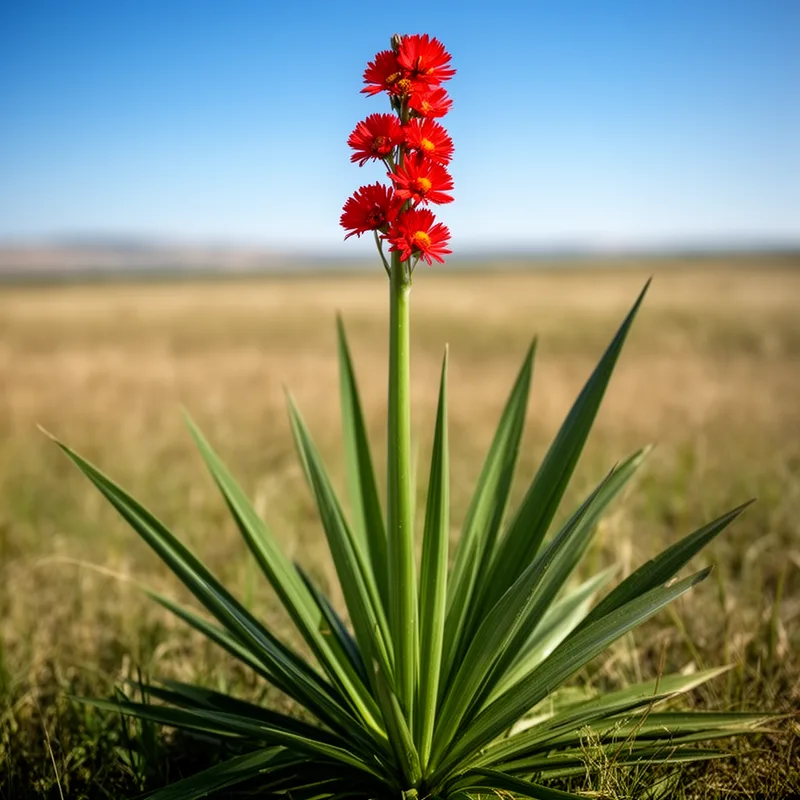
compass plant
- noun
- /ˈkʌmpəs plænt/
- Specialized
- Gardeners often plant the compass plant for its hardiness and unique leaf alignment.
Examples
-
Because it thrives in prairie settings, the compass plant is a favorite in restoration projects.
-
The compass plant is unique for its directional leaves.
-
The compass plant is easily recognized by its tall stalk and vivid flowers.
-
Many hikers rely on the compass plant to navigate.
-
The compass plant is easily recognized by its leaves that align north and south.
-
Many hikers rely on the compass plant to navigate through the prairies.
-
The compass plant blooms with striking red flowers in the summer.
Synonyms

A tall North American plant with large yellow flowers whose long leaves point north and south
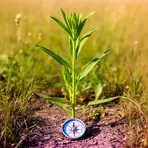
A plant whose leaves point north and south
Surface Forms
Morphology
The compound follows a straightforward attributive noun pattern (compass + plant) so a learner who knows 'compass' and 'plant' can infer it is a plant related to indicating direction. While botanical specifics (e.g. leaves aligning north–south) are extra detail, the basic meaning 'a plant that functions like a compass / indicates direction' is directly derivable from the constituents.
Etymology
The plant compass plant gets its name from its long leaves, which usually line up north and south like a small living compass. So people used it to 'find north', and that is why the name refers to its directional leaves.

