
commonweal
 2
9.9
2
9.9

- noun
- /ˈkɑːmənˌwiːl/
- Archaic
- The second is the organization's obligation to protect the commonweal—usually accomplished by expenditures for public programs but used here more broadly to mean judicious use of resources so as to benefit all in need of care.
Examples
-
Wilson's heroes were great statesmen who selflessly served their country's commonweal while rallying the people to patriotic endeavors.
Academic text (1994) -
Wilson championed the belief in society as a collection of rational, autonomous men who, given the right education, would always agree as to what was the commonweal and then act upon it.
Academic text (1994) -
Parents and families act as private consumers seeking a better product rather than as citizens looking after the commonweal.
Academic text (1997) -
Elderly people care for themselves, and they also care for their families, their friends and neighbors, their communities, and the commonweal.
Academic text (1998) -
Rather, flourishing as God intended dictated honesty, industriousness, and concern for the commonweal in production and wage-earning, and moderation in consumption and spending.
Academic text (2005) -
The politician proposed new policies to improve the commonweal of the community.
-
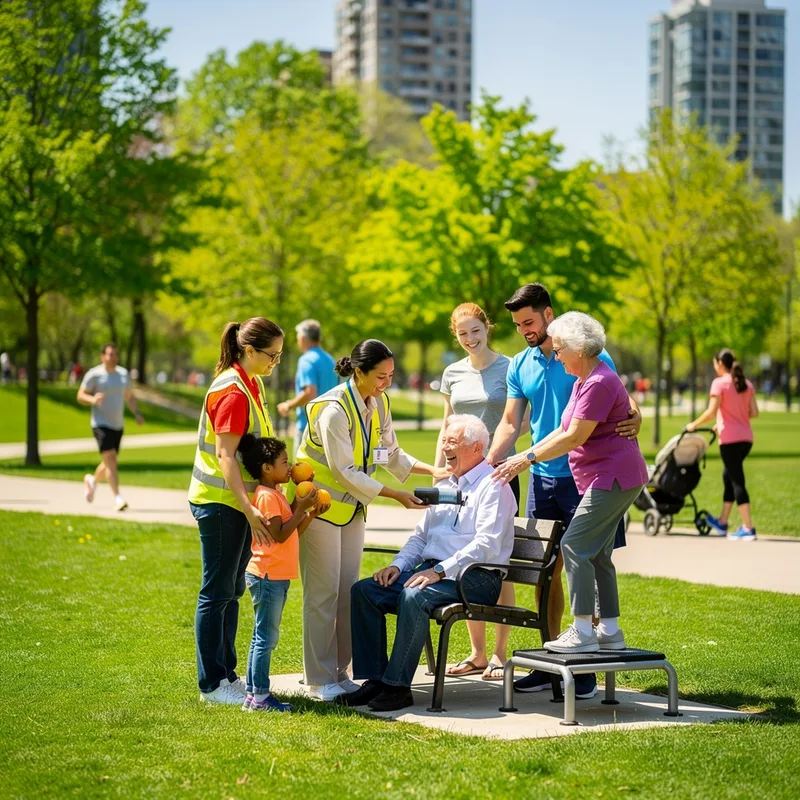
Working together for the commonweal is essential for a strong society.
-
Many volunteers dedicate their time for the commonweal, helping those in need.
Synonyms
 411
2.1
411
2.1
The health and happiness of a person or group
 27
3.5
27
3.5
A benefit that helps all people in a community
Antonyms

 4
5.3
4
5.3
A belief that people should be free to run businesses without government control
How Well

Surface Forms
Morphology
Etymology
Commonweal comes from common 'shared' and weal 'well-being', the same 'weal' in welfare. So, Commonweal means the 'shared good' or the public's welfare.