

colonist
 59
4.4
59
4.4

- noun
- /ˈkɒlənɪst/
- The colonists worked together to build homes and farms in their new land.
- colonists settled
- colonists purchased land
- early colonists
Loading YouTube…
Watch on YouTubeThere were two two mandates for the Jamestown colonists.
- There were two two mandates for the Jamestown colonists.
- Most likely I would submit would be the Dutch did that when the Dutch were the colonists in in Indonesia.
- You know, it's like I finally somebody, I, you know, like an ex colonist.
- The reason why this this experience is so important is that is what allows these miserable colonists to not hang themselves.
Examples
-
What we'll do is move to Manteo, like colonists, and start things over.
Fiction book (1998) -
The English and the Dutch are colonists.
-
So maybe now the colonists will pay the tea tax.
-
But the colonists and we say we were born the day we say we were born, right?
-
But it's people like the colonists who will one day go and seek them out.
Fiction book (1998) -
So were the Indians friends with the colonists or not?
-
For that, the Trustees, soldiers, and colonists all deserve a measure of blame.
Academic text (2011) -
As a result, relations between colonists and Africans became even more strained.
Academic text (2013) -
The Powhatan worldview, as far as the English colonists' accounts tell us, was entirely different.
Academic text (1992) -
Patriots, colonists who seek to avoid confrontation with Parliament, become known as Loyalists.
Synonyms
 108
4.1
108
4.1
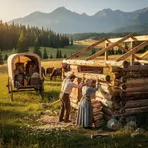
A person who moves to a new area to live and set up a home
 36
4.4
36
4.4
A person who is among the first to move to and prepare new land
 12
5.5
12
5.5
A person who lives in a colony under foreign control
 7
6.9
7
6.9
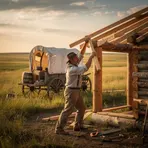
A person who moves to empty land and works it so the government lets them own it
 6
3.8
6
3.8
A person who leaves their country to live in another country
 5
6.7
5
6.7
A person who goes to another land and takes control of its people and land
 5
8.6
5
8.6
A person who left their country to live in another, often for political reasons

A farmer who lives on and works land in ancient Rome
How Early

Surface Forms
Morphology
Etymology
The word colonist comes from the same root as colony and colonize, and originally from an old Latin word colonus meaning 'farmer' or 'settler'. So a colonist is someone who moves to a new land to live and work there, like an early farmer who set up a new community.