
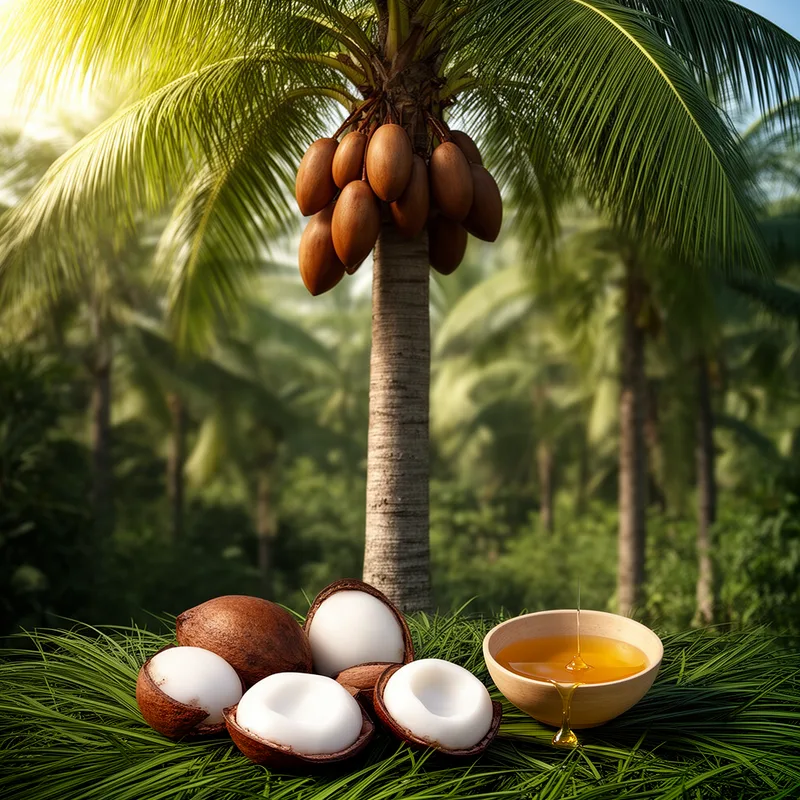
cohune
- noun
- /koʊˈhuːn/
- Specialized
- Manufacturers use the hard seeds of the cohune in making buttons and carvings.
Examples
-
The cohune tree is native to Central America.
-
The cohune palm is valued for the oil extracted from its nuts.
-
Extensive groves of cohune are found in the tropical regions of Central America.
-
Many artisans use cohune nuts to create beautiful carvings.
-
The cohune palm produces large nuts that are harvested for their valuable oil.
-
Farmers in the region often cultivate cohune trees for their nutritious nuts.
-
In some areas, the cohune is prized for its strong trunk and high-quality oil.
Synonyms

A tall tropical palm tree with large nuts that give oil and a hard material like ivory

A tropical palm tree whose large nuts make oil and vegetable ivory used for carving
Compounds

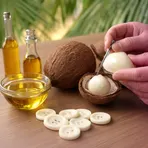
- Specialized
A large nut from a palm that gives oil and has a hard shell carved like ivory

- US
A tall tropical palm tree with large nuts that give oil and a hard material like ivory

A thick cooking oil from the nuts of a cohune palm that people also use to make soap
- Specialized
A tropical palm tree whose large nuts make oil and vegetable ivory used for carving
Surface Forms
Etymology
The word cohune comes from Spanish and most likely from a native Central American name for the palm or its nut. Think of the cohune as a cousin of the coconut: both are palm nuts that give 'oil' and have hard 'seeds' used for carving, so the name refers to this useful oil-producing palm.

