

coeliac plexus
- noun
- /ˈsiːliæk ˈplɛksəs/
- UK
- During the surgery, the doctor carefully avoided damaging the coeliac plexus.
Examples
-
The coeliac plexus is crucial for abdominal organ function.
-
Pain in the upper abdomen can sometimes be traced back to the coeliac plexus.
-
A block of the coeliac plexus is often performed to relieve certain types of chronic abdominal pain.
-
Surgeons often target the coeliac plexus during procedures.
-
The coeliac plexus is crucial for transmitting sensory information from the abdominal organs.
-
Surgeons carefully navigate around the coeliac plexus during abdominal procedures to avoid nerve damage.
-
Injuries to the coeliac plexus can lead to severe abdominal pain and digestive issues.
Synonyms
 3
6.2
3
6.2

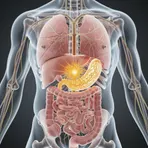
A group of nerves in the belly behind the stomach that helps control digestion and breathing

A large group of nerves behind the stomach that sends messages to the organs in the belly

A group of nerves behind the stomach that controls organs in the belly
Surface Forms
Morphology
The phrase is compositionally transparent: 'celiac' means relating to the abdomen and 'plexus' means a network of nerves/vessels, so a learner who knows both constituents can infer it denotes a network of abdominal nerves. Anatomical naming is systematic (and often similar across languages), so the general meaning is predictable even if specific clinical details (e.g., exact location or sympathetic nature) require specialist knowledge.
Etymology
The medical name coeliac plexus comes from Greek words that show where and what it is: coeliac refers to the 'belly' and plexus means a braided 'network' of nerves. Picture a braid of nerve threads behind the stomach controlling many organs, and that image explains why the term names the large nerve network in the abdomen.