
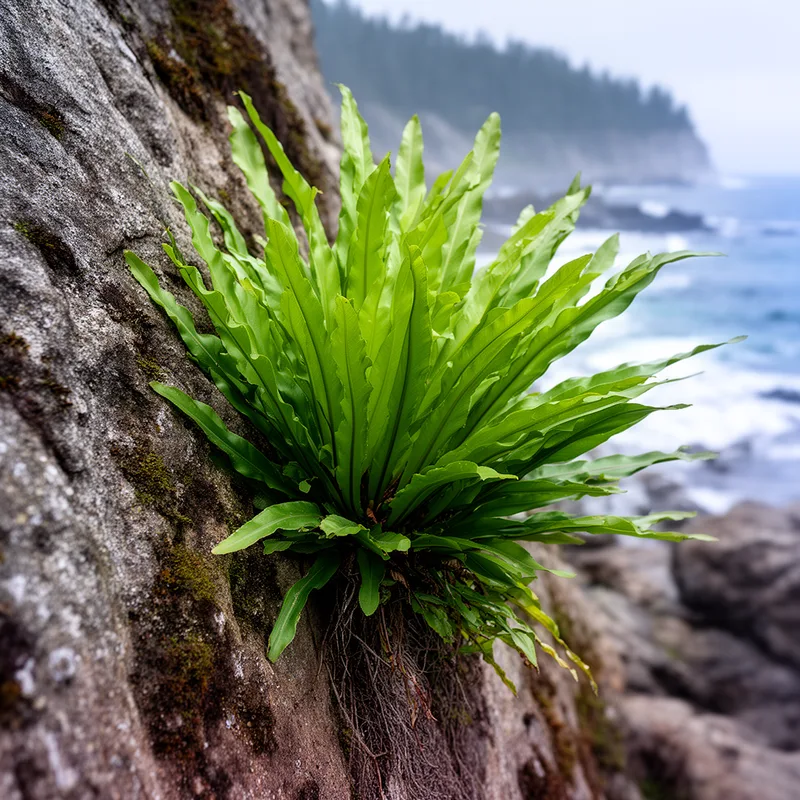
coast polypody
- noun
- Specialized
- We spotted a rare coast polypody while hiking in northern California.
Examples
-
The coast polypody thrives in the damp, shaded forests along the Pacific coastline.
-
Botanists study the unique adaptation of the coast polypody to its rocky, coastal habitat.
-
The coast polypody thrives in moist, shaded areas.
-
Many gardeners appreciate the coast polypody for its unique texture.
-
The coast polypody can often be found growing on rocky cliffs along the northern Pacific coast.
-
In her guidebook, she mentioned the coast polypody as a fascinating fern due to its leathery fronds.
-
The coast polypody is well-suited for planting in shaded gardens where it can enjoy moist soil.
Synonyms
A tough fern with stiff leathery leaves that grows on rocks by the sea
A stiff fern with thick leaves split near the middle that grows on dry rocky ground in western North America
A fern with thick tough leaves and divided fronds that grows in western North American forests
Surface Forms
Morphology
The phrase is a straightforward noun–noun compound where 'coast' specifies the habitat or association of the head noun 'polypody'; together they mean a polypody that grows by the coast. This compositional pattern is regular and predictable, so a B1 learner who knows both constituents can infer the MWE's meaning.
Etymology
Coast polypody gets its name from coast (where it grows) and polypody, a word from old Greek meaning 'many feet' because the plant has many root-like parts that look like little feet holding it to rocks. That's why the name fits this tough, leathery fern that holds on to damp rocks along the shore.

