
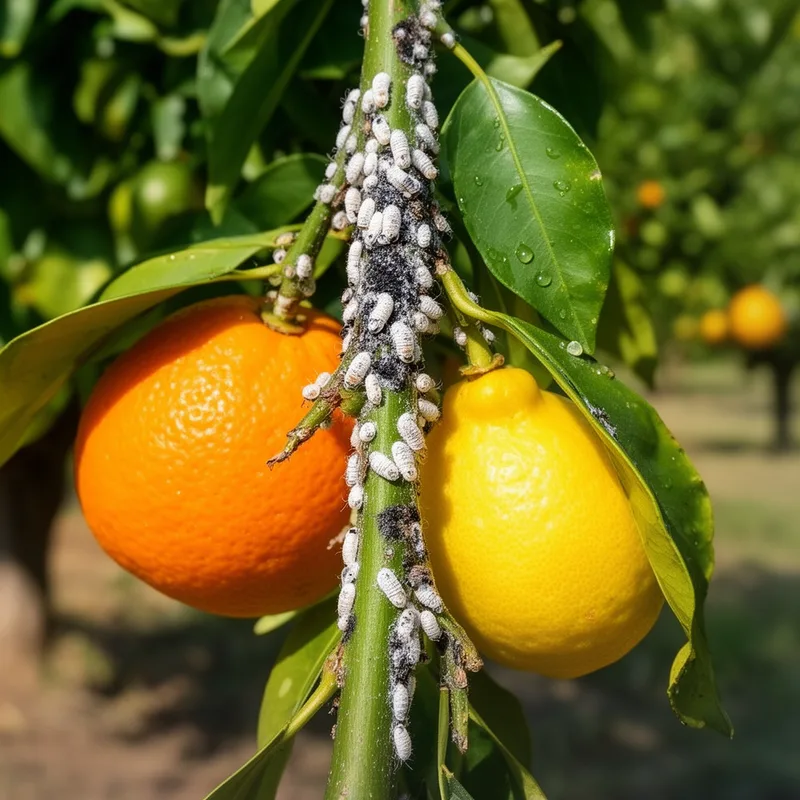
citrophilous mealybug
- noun
- /ˌsɪtroʊˈfɪləs ˈmiːliˌbʌɡ/
- Specialized
- The citrophilous mealybug feeds on the juices of citrus plants, causing significant damage.
Examples
-
An infestation of the citrophilous mealybug can severely reduce the yield of citrus crops.
-
Farmers often struggle to control the citrophilous mealybug in their orange and lemon groves.
-
Scientists are developing biological methods to combat the citrophilous mealybug without using harsh chemicals.
-
The citrophilous mealybug is a serious pest for citrus farmers.
-
Many citrophilous mealybugs infest lemon trees every summer.
-
An infestation of the citrophilous mealybug can severely reduce the yield of citrus crops.
-
Farmers often struggle to control the citrophilous mealybug in their orange and lemon groves.
Synonyms
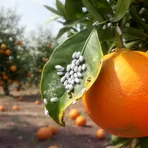
A small insect that eats citrus plants and can destroy their crops
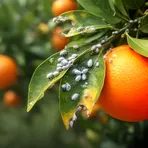
A small insect that eats and damages orange trees

A small white insect that eats citrus and other garden plants and harms them
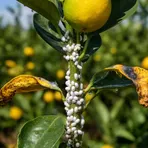
A small insect that eats the sap of plants and damages citrus trees
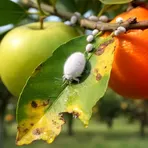
A small white insect that feeds on the sap of citrus and apple trees and damages them
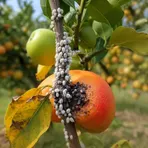
A small insect that damages fruit trees like citrus and apple
Surface Forms
Morphology
citrophilous + mealybug
The noun phrase literally combines an adjective meaning 'preferring or associated with citrus' and 'mealybug' (an insect), so the overall sense is a mealybug that targets citrus. However, 'citrophilous' is a rare, technical formation from Latin roots (citro- + -philous) that a B1 learner is unlikely to know or reliably parse, making the connection only partially clear without morphological knowledge or prior exposure.
Etymology
Citrophilous mealybug comes from citro- (meaning 'citrus') and -philous (meaning 'loving'), while mealybug describes a small, white, powdery insect. So it literally names a white bug that 'loves' citrus trees and feeds on their juices, which explains why it harms orange and lemon crops.

