
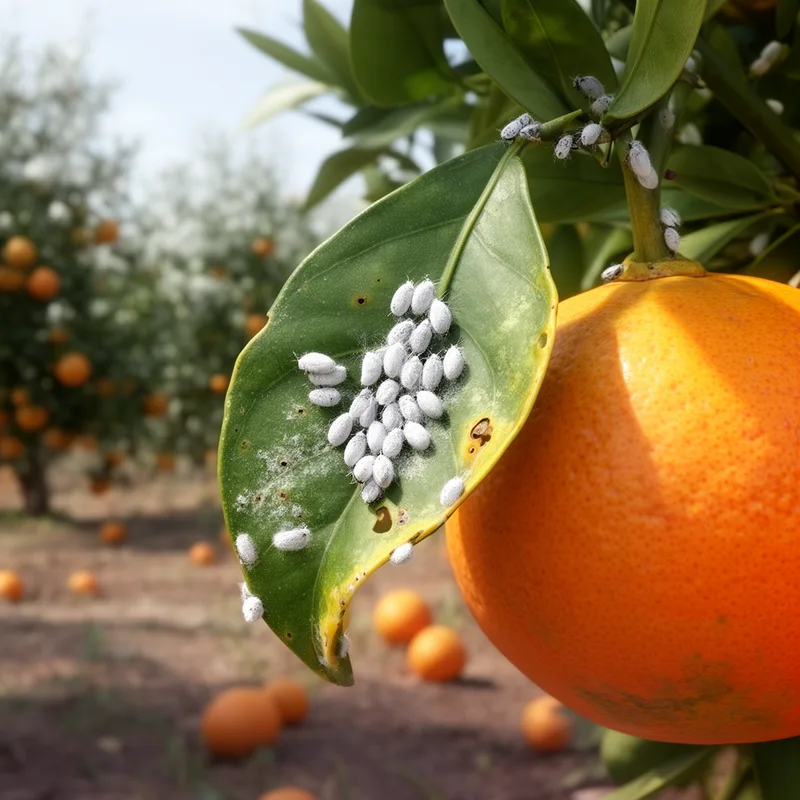
Pseudococcus fragilis
- noun
- Specialized
- Early detection of Pseudococcus fragilis is crucial to prevent major crop losses.
Examples
-
The infestation of Pseudococcus fragilis devastated the orange groves last summer.
-
Agricultural experts are developing new methods to control Pseudococcus fragilis populations in citrus orchards.
-
The Pseudococcus fragilis infests citrus trees.
-
Farmers are concerned about Pseudococcus fragilis this season.
-
Agricultural experts are developing new methods to control Pseudococcus fragilis populations in citrus orchards.
-
Early detection of Pseudococcus fragilis is crucial to prevent major crop losses.
-
The infestation of Pseudococcus fragilis devastated the orange groves last summer.
Surface Forms
Morphology
Pseudococcus + fragilis
This is a Latin scientific name functioning as a lexicalized taxonomic label rather than a compositional English phrase; a B1 learner knowing 'Pseudococcus' as a mealybug and the isolated Latin form 'fragilis' (which is not in the learner dictionary) would not be able to infer the specific sense 'particularly destructive to citrus plants'. Genus + species names do not transparently encode host-specific pest behavior, so the overall meaning is not predictable from the parts.
Etymology
Pseudococcus fragilis comes from old Greek and Latin parts: pseudo- meaning 'false', -coccus meaning 'small round thing', and fragilis meaning 'fragile'. The name gives a clear picture of a small, soft, round bug that looks like a tiny fragile berry on a plant, so it fits this mealybug species that damages citrus.

