

cinder pig
- noun
- /ˈsɪndər pɪg/
- Jargon
- The shipment included several cinder pigs that had to be separated out before refining.
Examples
-
Due to the high slag content, cinder pig is less desirable for producing quality steel.
-
The factory produced low-grade cinder pig for local foundries.
-
In older foundries, workers often encountered cinder pig during the initial smelting process.
-
They use cinder pigs in low-cost steel production.
-
Due to the high slag content, cinder pig is less desirable for producing quality steel.
-
The factory produced low-grade cinder pigs for local foundries seeking affordable materials.
-
In older foundries, workers often encountered cinder pig during the initial stages of iron smelting.
Synonyms
 22
9.7
22
9.7

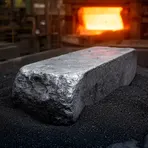
A large piece of metal made by pouring melted metal into a mold
 1
4.9
1
4.9
People pour hot iron from a furnace into bars to be made into steel later
Surface Forms
Morphology
The noun is compositionally built: 'cinder' (burnt residue/slag) modifying 'pig' (a cast metal ingot) yields the straightforward idea of an ingot containing cinders or slag, so a basic contaminated/low‑grade pig iron sense is derivable from the parts. However, the term is specialized metallurgical jargon and carries specific implications about slag content and suitability for steelmaking that go beyond the literal parts, so it is not fully predictable for general learners.
Etymology
Cinder pig comes from old iron factories where workers poured hot iron into long sand molds that looked like a row of small animals, so each hard block was called a pig. If a block had lots of cinder, the waste left from melting, it was a poor 'pig iron', so cinder pig came to mean 'pig iron that contains a lot of waste and is lower quality'.