
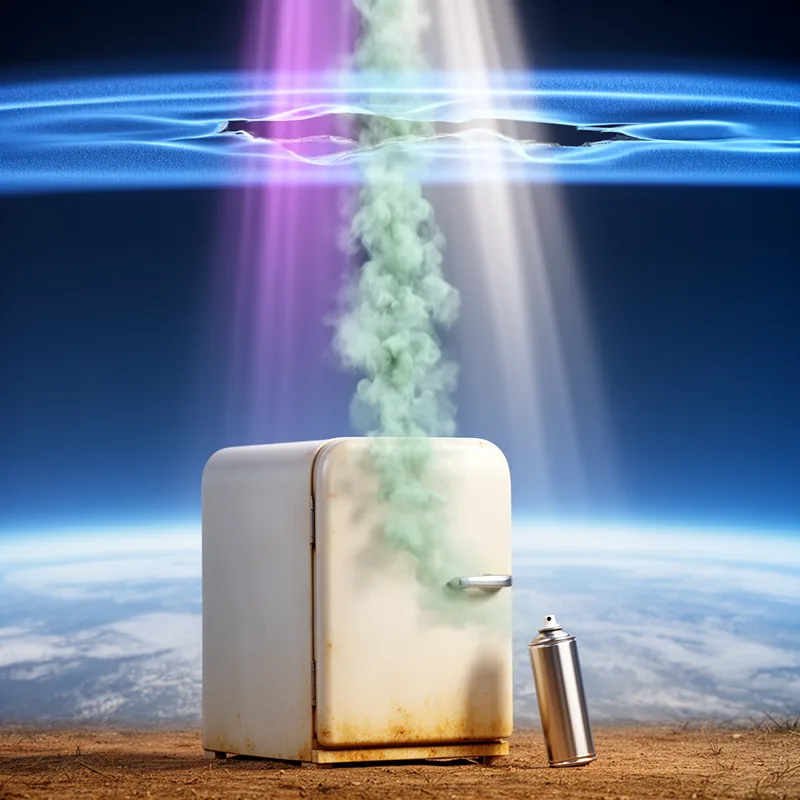
chlorofluorocarbon
- noun
- /ˌklɔːrəˌfluːərəˈkɑːrbən/
- Specialized
- In eliminating chlorofluorocarbon use, the Zytech Corporation found that it improved product quality, used fewer raw materials, and reclaimed expensive floor space.
- chlorofluorocarbon use
Loading YouTube…
Watch on YouTubeThis group of chemicals is called chlorofluorocarbons, CFCS for short.
- This group of chemicals is called chlorofluorocarbons, CFCS for short.
- Some researchers have suggested using artificial greenhouse gases like chlorofluorocarbons to warm Mars.
Examples
-
Emissions trading has also been used to reduce chlorofluorocarbon (CFC) production and most recently has been proposed for controlling greenhouse gases.
Academic text (2000) -
One example of a ban was the limited chlorofluorocarbon (CFC) ban imposed by the Food and Drug Administration in 1978.
Academic text (1993) -
There was a molecule there called chlorofluorocarbon or CFC.
-
This group of chemicals is called chlorofluorocarbons, CFCS for short.
-
Ozone levels in the Arctic and Antarctic should begin to recover due to reductions in chlorofluorocarbon production, but greenhouse warming may exacerbate losses of the gas in the polar regions.
Academic text (1998) -
In the 1970s, he drew attention to the threat to the ozone layer from industrial chlorofluorocarbon (CFC) gases that were being used as propellants in spray cans, refrigerants, solvents, etc.
Blog text (19) -
The use of chlorofluorocarbon refrigerants has dramatically decreased due to their harmful effects on the ozone layer.
-
The international ban on chlorofluorocarbon chemicals has helped in the recovery of the ozone layer.
-
Many countries have agreed to phase out chlorofluorocarbon use in products like aerosol sprays and refrigeration systems.
Synonyms

 10
4.2
10
4.2

A man-made gas used in sprays and fridges that damages the ozone layer
 8
6.5
8
6.5
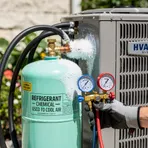
A man-made chemical used to cool air or push spray from cans

A colorless man-made gas used in old fridges and spray cans that harms the ozone layer
Surface Forms
Morphology
chlorofluorocarbon = fluorocarbon (semi-transparent) = chloro + fluoro + carbon
The structure indicates presence of chlorine and fluorine atoms attached to carbon, which is clear to learners familiar with element names but not to average B1 learners unfamiliar with chemical combining forms.
Etymology
Chlorofluorocarbon comes from the names of three elements: chloro- ('chlorine'), fluoro- ('fluorine') and carbon, so it literally names a compound made of those elements. These compounds were once used in refrigerators and spray cans but were mostly banned because they damage the ozone layer.