
chlamydospore
- noun
- /kləˈmɪdəˌspɔr/
- Specialized
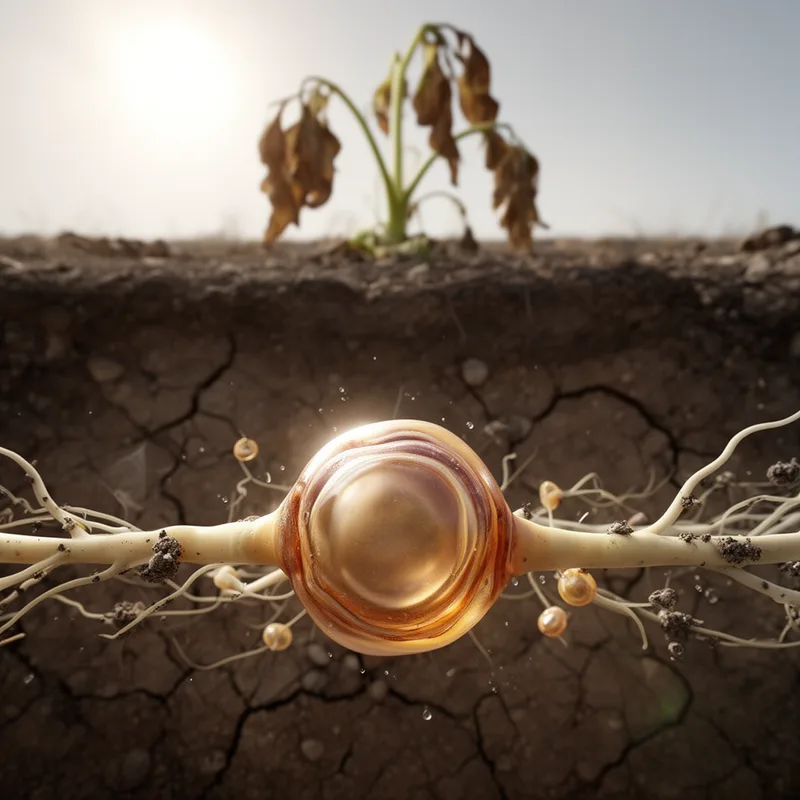
- The fungus produces chlamydospores to survive extreme drought conditions.
Examples
-
Some algae form chlamydospores during adverse environmental periods.
-
Researchers observed the chlamydospores under a microscope.
-
Microscopic examination revealed the presence of chlamydospores in the infected plant tissue.
-
The fungus produced a chlamydospore during the dry season.
-
Microscopic examination revealed the presence of chlamydospores in the infected plant tissue.
-
Some algae form chlamydospores during adverse environmental periods.
-
The fungus produces chlamydospores to survive extreme drought conditions.
Synonyms

A sleeping cell that some fungi or algae make and that can grow again after a long inactive time
Surface Forms
Morphology
Etymology
Chlamydospore comes from the parts chlamydo- meaning 'cloak' and spore meaning 'seed' or 'tiny cell that can grow'. So a chlamydospore is like a 'cloaked' spore with a thick wall that helps fungi or algae survive bad conditions.

