

chalcanthite
- noun
- /ˌkæl.kænˈθaɪt/
- Specialized
- The mineral chalcanthite is prized for its vivid blue color and crystal formations.
Examples
-
Exposure to humidity can cause chalcanthite crystals to dissolve and lose their shape.
-
Collectors often display chalcanthite alongside other colorful minerals in their cabinets.
-
The chalcanthite crystals glistened in the sunlight.
-
Have you ever seen chalcanthite in its natural habitat?
-
The mineral chalcanthite is prized for its vivid blue color and crystal formations.
-
Collectors often display chalcanthite alongside other colorful minerals in their cabinets.
-
Exposure to humidity can cause chalcanthite crystals to dissolve and lose their shape.
Synonyms


 1
7.8
1
7.8
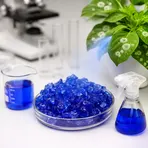
A blue crystal chemical used to kill fungus on plants and in chemistry
 1
4.6
1
4.6
A bright blue salt used to kill fungus on plants and for simple lab work
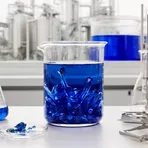
A blue chemical that forms shiny crystals and is used in labs and factories
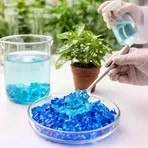
A blue crystal chemical that people use to kill plant fungus and in science experiments
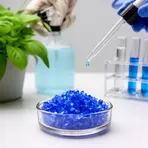
A bright blue chemical in crystals used in gardens and labs to kill fungus and test liquids
Surface Forms
Morphology
chalcanthite = chalcanth (opaque) = chalcanth + ite
The combining form 'chalcanth-' is a technical/obscure element and not a recognizable standalone English word for average learners, so the mineral name is specialized and not derivable by a B1 learner.
Etymology
Chalcanthite comes from Greek parts chalkos meaning 'copper' and anthos meaning 'flower'. A helpful way to remember it is that this bright blue copper mineral often forms small, flower-like crystals, so the name links 'copper' with a 'flower' shape.