

blue vitriol
- noun
- /bluː ˈvaɪtriəl/
- Archaic
- It combines to make copper sulfate, which is also known as 'blue vitriol.'
Examples
-
Prussic acid, blue vitriol, ground glass.
-
In the laboratory, blue vitriol is often used as a fungicide for treating plant diseases.
-
"I put in the blue vitriol."
Blog text (1) -
They had some medicine: blue vitriol.
Blog text (1) -
The chemist used blue vitriol to demonstrate a copper sulfate reaction in class.
-
The farmer added blue vitriol to the soil to improve its quality and prevent fungal growth.
Synonyms


 1
7.8
1
7.8
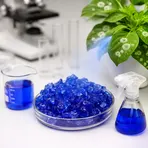
A blue crystal chemical used to kill fungus on plants and in chemistry
 1
4.6
1
4.6
A bright blue salt used to kill fungus on plants and for simple lab work
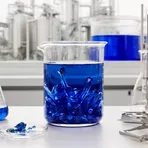
A blue chemical that forms shiny crystals and is used in labs and factories

A bright blue mineral of copper that forms crystals in dry places
Surface Forms
Morphology
blue + vitriol
The phrase names a specific chemical (copper(II) sulfate) whose identity is not transparently derivable from the adjective 'blue' plus the rare/technical noun 'vitriol'. 'Vitriol' is an uncommon, ambiguous term (historically referring to sulfate salts or harsh criticism), so a B1 learner knowing the literal words would not reliably infer the MWE's chemical meaning.
Etymology
Blue vitriol comes from old chemists who called glass-like mineral salts vitriol, a word that meant 'glass'. Because copper sulfate makes bright blue, shiny crystals that look like small pieces of glass, people called it blue vitriol, and that is why the name means the blue chemical used on farms and in labs today.