
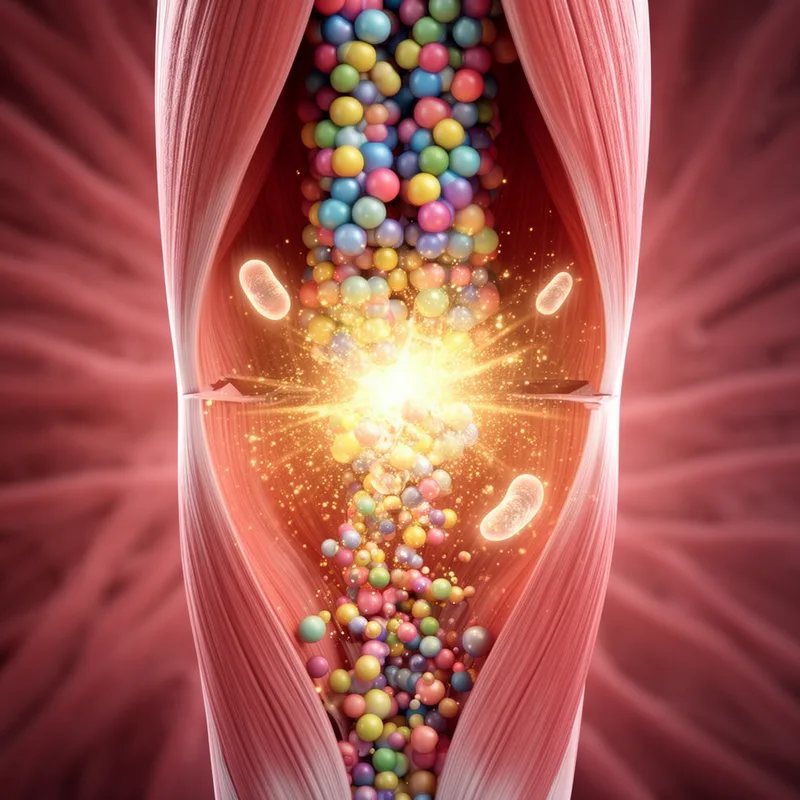
catabolic
 1
8.8
1
8.8

- adjective
- /ˌkætəˈbɑːlɪk/
- Specialized
- Higher protein intake is advisable in catabolic patients or those with a prolonged maintenance phase, even if it precipitates the need for dialysis.
- catabolic pathways
Loading YouTube…
Watch on YouTubeThat is to keep their ATPADP ratios high at night so they can do all these catabolic processes at night.
- That is to keep their ATPADP ratios high at night so they can do all these catabolic processes at night.
- But you talked about this catabolic crisis and it it kind of leads into the disability threshold.
Examples
-
Beyond a certain period of time or level of force, however, catabolic processes overcome reparative mechanisms, and the net result is tissue breakdown.
Academic text (1995) -
If you are in a highly catabolic state on bed rest, you will lose muscle rapidly.
-
But you talked about this catabolic crisis and it it kind of leads into the disability threshold.
-
Most patients have net protein breakdown, which can exceed 200 g per day in catabolic subjects.
Academic text (1995) -
The animal, in turn, provides nutrients for the zooxanthellae through its catabolic pathways (Davies 1984).
Academic text (1993) -
Sarcopenia is likely to result from an imbalance between anabolic and catabolic pathways that control muscle mass.
Academic text (2017) -
During intense exercise, the body enters a catabolic state, breaking down glycogen to release energy.
-
When an individual is malnourished, their body may become catabolic, leading to muscle loss.
-
In a catabolic phase, cells decompose complex proteins to provide energy for vital functions.
Synonyms

To break large molecules in the body to make energy
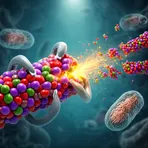
Breaking down large molecules in the body into smaller parts to release energy

Causing materials to break down into smaller parts
Antonyms

- Specialized
12
7.5
Body processes that build larger substances from smaller ones, for example muscle or fat
How Catabolic
- Specialized
1
8.8
 101
1.0
101
1.0
Surface Forms
Morphology
catabolic = catabolism (semi-transparent) = catabol + ic
The adjective is a regular derivation from the noun 'catabolism' with the productive suffix '-ic'.
Etymology
Catabolic comes from Greek parts cata- meaning 'down' and -bolic from a word meaning 'to throw', so the word gives the image of things being broken apart. So, a catabolic process 'breaks down' large molecules into smaller ones and releases energy.