

casquet
- noun
- Archaic
- The knight donned his casquet before entering the tournament grounds.
Examples
-
The painting depicted a soldier in a distinctive casquet with ornate detailing.
-
Many casquets were displayed in the museum.
-
Historical reenactors often wear a casquet to accurately represent medieval soldiers.
-
The knight wore a casquet during the joust.
-
Historical reenactors often wear a casquet to accurately represent medieval soldiers.
-
The knight donned his casquet before entering the tournament grounds.
-
The painting depicted a soldier in a distinctive casquet with ornate detailing.
Synonyms

 649
1.0
649
1.0

A hard or padded hat that protects the head from injury
 1
9.9
1
9.9
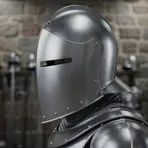
A light medieval helmet with a narrow eye slit that covers the sides and back of the head

 1
9.9
1
9.9
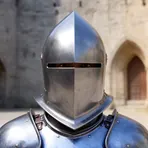
A light helmet with a narrow eye slit used by soldiers in the late Middle Ages
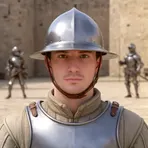
A light open helmet without a visor used in the 1500s and 1600s
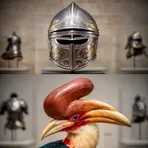
A metal helmet worn by soldiers long ago or a hard, helmet-like growth on some birds' heads
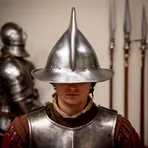
A light metal helmet with a high crest worn by soldiers in the 1500s
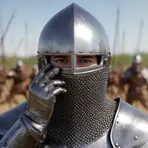
A rounded steel helmet worn by knights in the Middle Ages
How Protective

Surface Forms
Etymology
Casquet comes from the French word casque, which means 'helmet', with the little ending -et that makes it 'small' or light. So a casquet is easy to remember as a small, open helmet, which is why the word names a light historical headpiece.