
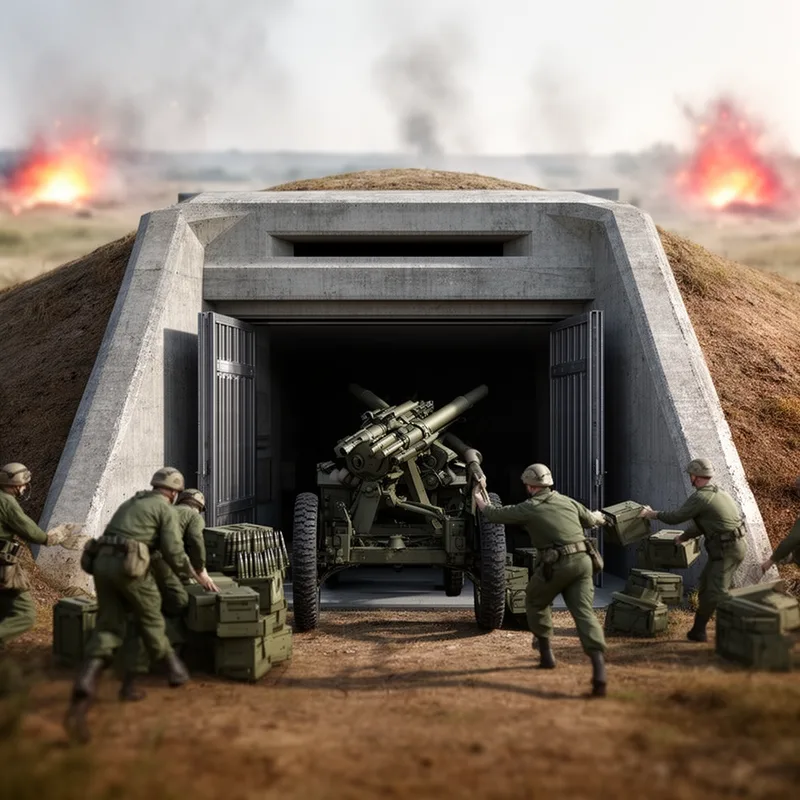
to casemate
- verb
- /ˈkeɪsˌmeɪt/
- Specialized
- The soldiers casemated the ammunition to protect it from enemy fire.
Examples
-
The engineers decided to casemate the artillery to shield it from enemy fire.
-
Military planners recommended that the command post be casemated for maximum protection.
-
During the renovation, workers casemated the old cannons to preserve them for future generations.
-
They will casemate the new weapons storage facility next week.
-
The engineers decided to casemate the artillery to shield it from enemy fire.
-
Military planners recommended that the command post be casemated for maximum protection.
-
They will casemate the new weapons storage facility next week.
Synonyms
 84
3.7
84
3.7

Surround something completely, often with a wall or fence
 76
2.5
76
2.5
To give someone a safe place to stay from danger or bad weather
 41
6.4
41
6.4
To surround an area with a wall to protect it
 34
4.9
34
4.9
To cover something completely so nothing can get in or out
 2
4.8
2
4.8
To put a strong protective layer on something
 2
4.6
2
4.6
To wrap someone or something in soft material to keep it warm and safe
 1
5.8
1
5.8
To stay in a safe place to avoid danger

To surround a place with walls or dirt banks to stop people leaving

To build a wall around something to protect or separate it

To surround a place with strong wooden posts to protect it
To hide in a strong place to stay safe

Gather inside a building to stay safe from danger

To protect someone or something by giving strong support like a wall

To protect a town by building walls, towers, or a ditch around it
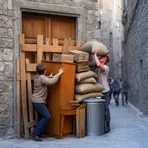
To block a place with things to stop people from entering
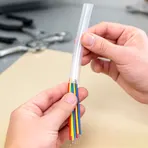
To cover something with a protective layer, for example metal, leather or plastic
Antonyms

How Fortified
- Specialized
 39
6.2
99
3.9
76
2.5
∞
1.0
∞
1.0
39
6.2
99
3.9
76
2.5
∞
1.0
∞
1.0
Surface Forms
Etymology
Casemate as a verb is a helpful way to remember 'make into a house' for protection, again from the same root as casa ('house'). So to casemate something is to enclose it in a strong shelter to keep it safe from attack.