
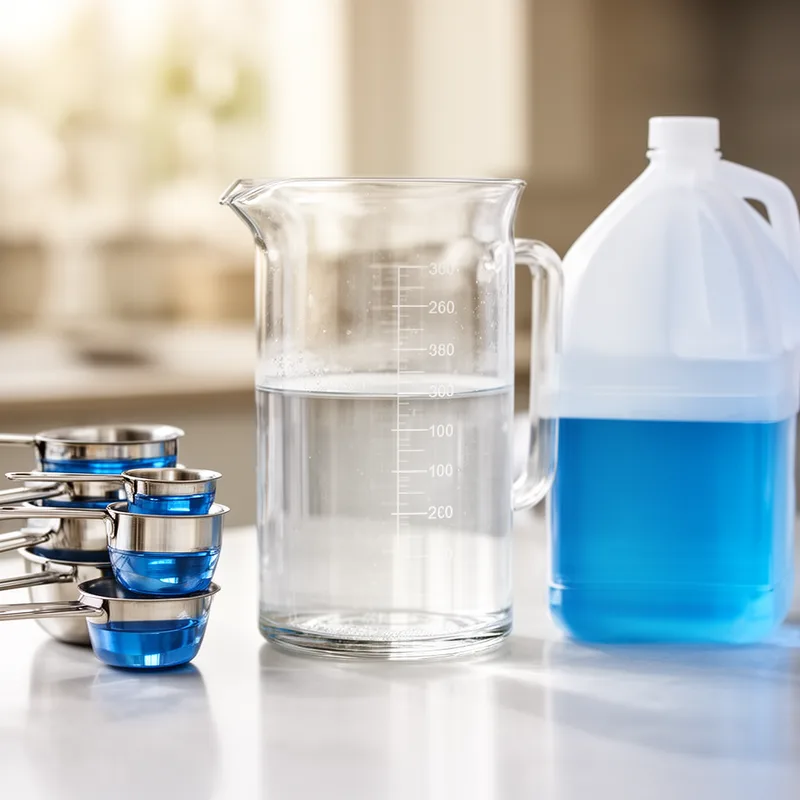
capacity measure
- noun
- /kəˈpæsɪti ˈmɛʒər/
- Specialized
- Bakers often use cups and pints as capacity measures in their recipes.
Examples
-
A liter is a common capacity measure in cooking.
-
When converting recipes, knowing each capacity measure is essential for accuracy.
-
The liter is a common capacity measure used around the world.
-
The capacity measure for this container is two gallons.
-
The recipe calls for three cups as the capacity measure for the liquid ingredients.
-
She filled the tank with gasoline using a gallon as the capacity measure.
-
A liter is a common capacity measure used in many countries for beverages.
Synonyms

 589
2.1
589
2.1

A fixed amount used to measure or count things
 3
3.2
3
3.2
A fixed amount used as a standard to measure length, weight, or volume


 1
4.1
1
4.1
A measure for how much liquid there is, like a litre

A unit for measuring how much liquid a container holds, like a liter or a gallon

A unit for measuring how much space something takes up, like a liter or cubic meter

A measure used to show how much space something holds

A unit used to measure how much space something takes, like a cup or liter

A unit used to measure how much space something has, like a cubic metre or cubic centimetre

A unit for the amount of space something takes, often based on a cube

A measure used to show how much space something takes, for example litres or cubic metres

A unit that tells how much liquid is in a container, like a cup or liter

A unit for measuring how much space dry goods like grain or fruit take

A standard amount used to measure things like length or weight
Surface Forms
Morphology
The meaning is directly compositional: 'capacity' (maximum volume) combined with 'measure' (a unit or amount determined by measurement) yields a unit for measuring capacity. This follows a regular noun‑noun compounding pattern found across languages, so a B1 learner who knows both words can readily infer the MWE's meaning.
Etymology
Capacity measure comes from the simple image of a container used to check how much it can hold: capacity means 'how much' and measure means 'a way to check'. That's why the term is used for units like 'liter', 'gallon', or 'pint' that tell a container's volume.