
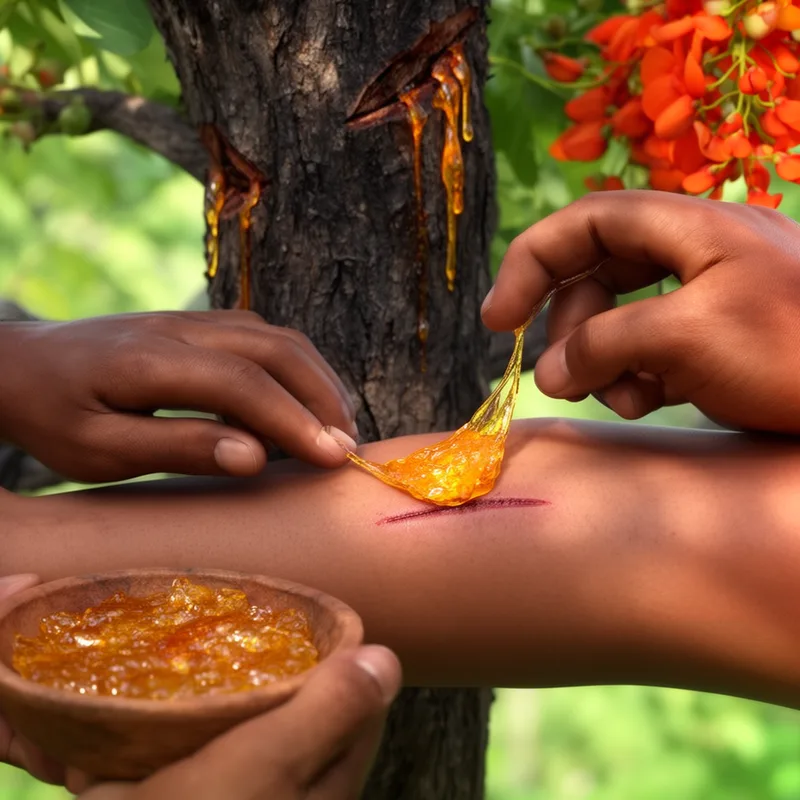
butea gum
- noun
- Indian
- The resin known as butea gum is prized for its astringent properties in herbal medicine.
Examples
-
Traditional healers often use butea gum to treat minor wounds and ulcers.
-
Extraction of butea gum from the dhak tree has been practiced for centuries in South Asia.
-
The herbalist recommended butea gum for its astringent properties.
-
Have you ever tried butea gum in your remedies?
-
Extraction of butea gum from the dhak tree has been practiced for centuries in South Asia.
-
The resin known as butea gum is prized for its astringent properties in herbal medicine.
-
Traditional healers often use butea gum to treat minor wounds and ulcers.
Synonyms
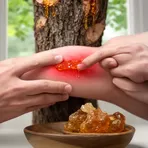
A dried sticky juice from the dhak tree used in medicine to help red, sore skin

A reddish dried juice from the dhak tree used to make skin and leather feel tight
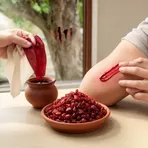
A reddish dried juice from the dhak tree used to dye cloth and to help heal wounds
Surface Forms
Morphology
The noun phrase is transparently compositional: 'Butea' names the source tree and 'gum' denotes a resinous/sticky substance, so 'butea gum' straightforwardly refers to the resin obtained from the Butea tree. This source+substance naming pattern (e.g., 'acacia gum', 'gum arabic') is cross-linguistically common, so a B1 learner who knows both constituents can easily infer the meaning.
Etymology
The name butea gum comes from the dhak tree, where people cut the bark to collect a sticky, sap-like gum. This sticky resin was used to stop bleeding and help wounds close, so it became known as a resin used as an 'astringent'.

