
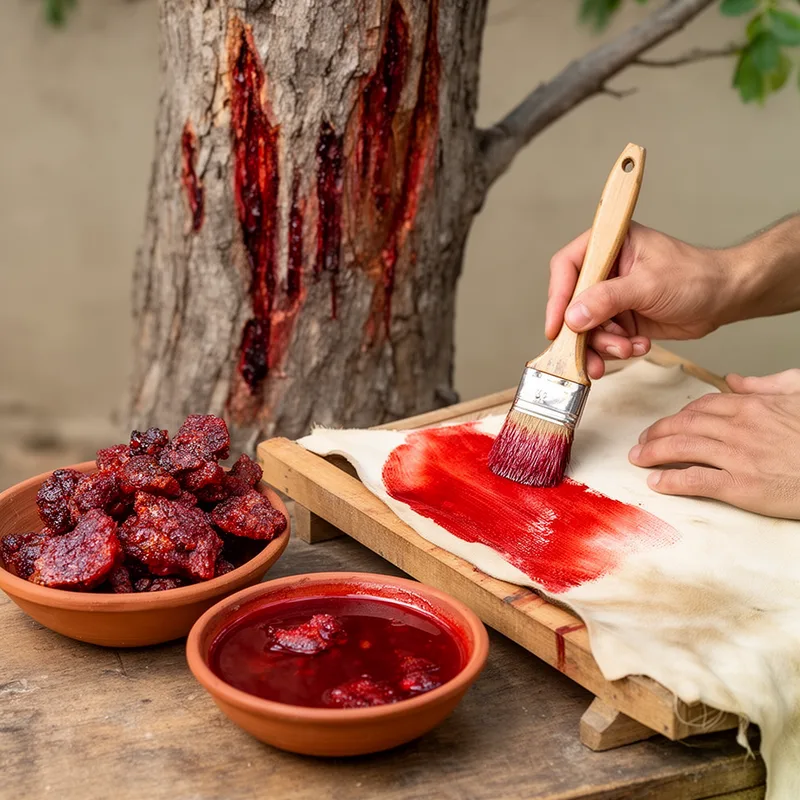
butea kino
- noun
- Indian
- The butea kino extracted from the dhak tree is valued for its tannin-rich, astringent properties.
Examples
-
Traditional medicine sometimes uses butea kino to treat diarrhea and other digestive issues.
-
Many herbalists use butea kino for its astringent effects.
-
Researchers analyzed the chemical composition of butea kino for possible pharmaceutical applications.
-
The butea kino is known for its medicinal properties.
-
The butea kino extracted from the dhak tree is valued for its tannin-rich, astringent properties.
-
Traditional medicine sometimes uses butea kino to treat diarrhea and other digestive issues.
-
Many herbalists use butea kino for its astringent effects.
Synonyms
A sticky plant substance from the dhak tree used to help heal small wounds

A dried sticky juice from the dhak tree used in medicine to help red, sore skin

A reddish dried juice from the dhak tree used to dye cloth and to help heal wounds

A reddish gum from tropical trees used to treat diarrhea and tan leather

A red or black sticky substance from tropical trees that people use to tan leather and treat wounds

A reddish or black sticky substance from some tropical trees used to make medicine and treat leather

A reddish or black sticky juice from some trees used in medicine and tanning
Surface Forms
Morphology
The meaning is directly compositional: Butea (the tree/genus) + kino (a reddish sticky gum) yields 'the kino produced by the Butea/dhak tree.' This producer+product noun combination is a regular, cross-linguistically common pattern, so a B1 learner who knows both constituents can infer the MWE's meaning.
Etymology
The noun butea kino comes from the red sap of the butea, the dhak tree, and people scraped the sap and let it dry into hard, reddish lumps called kino. Those lumps were used in medicine and for making leather because they help 'tighten and heal' skin, so the name means a dried, red juice used as an 'astringent'.

