

bustard quail
- noun
- Specialized
- Unlike true quails, the bustard quail lacks a hind toe and has unique feeding habits.
Examples
-
We spotted a bustard quail darting through the tall grass during our trip to northern Africa.
-
The bustard quail is well adapted to life in open grasslands and cultivated fields.
-
I spotted a bustard quail in the tall grass.
-
The bustard quail is known for its unique plumage.
-
The bustard quail is well adapted to life in open grasslands and cultivated fields.
-
We spotted a bustard quail darting through the tall grass during our trip to northern Africa.
-
Unlike true quails, the bustard quail lacks a hind toe and has unique feeding habits.
Synonyms
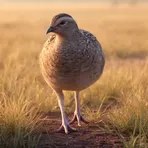
A small bird like a quail that lives in open grassland and has no back toe
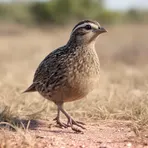
A small ground bird like a quail that has no hind toe
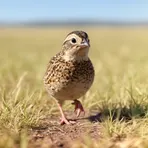
A small ground bird like a quail that lives on grassy plains and has no hind toe
Surface Forms
Morphology
The compound is a straightforward noun+noun formation where the meaning can be derived from combining 'bustard' (a type of large bird) with 'quail' (a small game bird), signalling a particular kind of quail related to or resembling a bustard. This compositional pattern (naming a subtype by juxtaposing two animal names) is transparent and predictable for learners who know both constituents.
Etymology
Bustard quail gets its name from how it looks and lives: it is a small 'quail' but its shape and ground‑walking habits remind people of a larger bird called a bustard, so the two words were joined. That's why the name tells you it is a quail-like bird that lives on open grasslands.

