

to bream
- verb
- Archaic
- It was common practice in earlier centuries to bream wooden ships before long voyages.
Examples
-
Before setting sail, the crew had to bream the old vessel to improve her speed.
-
Shipwrights would bream the hull regularly to prevent damage from encrusting organisms.
-
They need to bream the hull before the next voyage.
-
We will bream the ship this weekend.
-
Before the race, the team decided to bream the boat's hull to ensure it was free of barnacles.
-
To maintain the ship's performance, the crew must bream the bottom regularly.
-
He spent the afternoon preparing to bream the fishing vessel, making sure all encrustations were removed.
Compounds


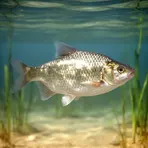
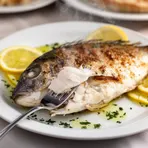
A sea fish with a round body that lives in warm Atlantic waters and people eat



How Thorough

Surface Forms
Etymology
Bream as a verb probably comes from old words meaning 'to burn' or 'to heat', because sailors used fire or hot tools to remove barnacles and seaweed from a ship's hull. So to bream a ship is to 'burn' or heat the bottom to clean it.